
Scientists Solve the Mystery of the Underwater Event That Wiped Out 90 Percent of Life on Earth
Published Feb. 10 2025, 9:45 a.m. ET

An image of the underwater life.
There is clear evidence that dinosaurs once roamed the surface of Earth. But what really caused them to go extinct all at once has remained a debatable topic among scientists for ages. There remains another extinction record that was worst of all. The "Great Dying" is described as the mass extinction event that occurred about 250 million years ago and wiped out 90% of life from the planet. Also known as the Permian-Triassic extinction, it is regarded as the single-most catastrophic extinction in the history of life on Earth, per a PBS report. In a new study published in the journal Science, researchers suspect there were several factors at play but one of them exists even today.

Ocean water flowing around a subduction zone
Scientists from the University of Bristol in the UK and the China University of Geosciences (Wuhan) have discovered the influence of El Ninos during the Permian-Triassic extinction. According to NOAA, El Nino is a climate pattern caused by a rise in sea surface temperatures in the central and eastern tropical Pacific Ocean, typically 0.5 degrees Celsius above the average. The researchers claim the “wild” shifts in the climate due to the phenomenon had resulted in the death of forests and wildlife millions of years ago.
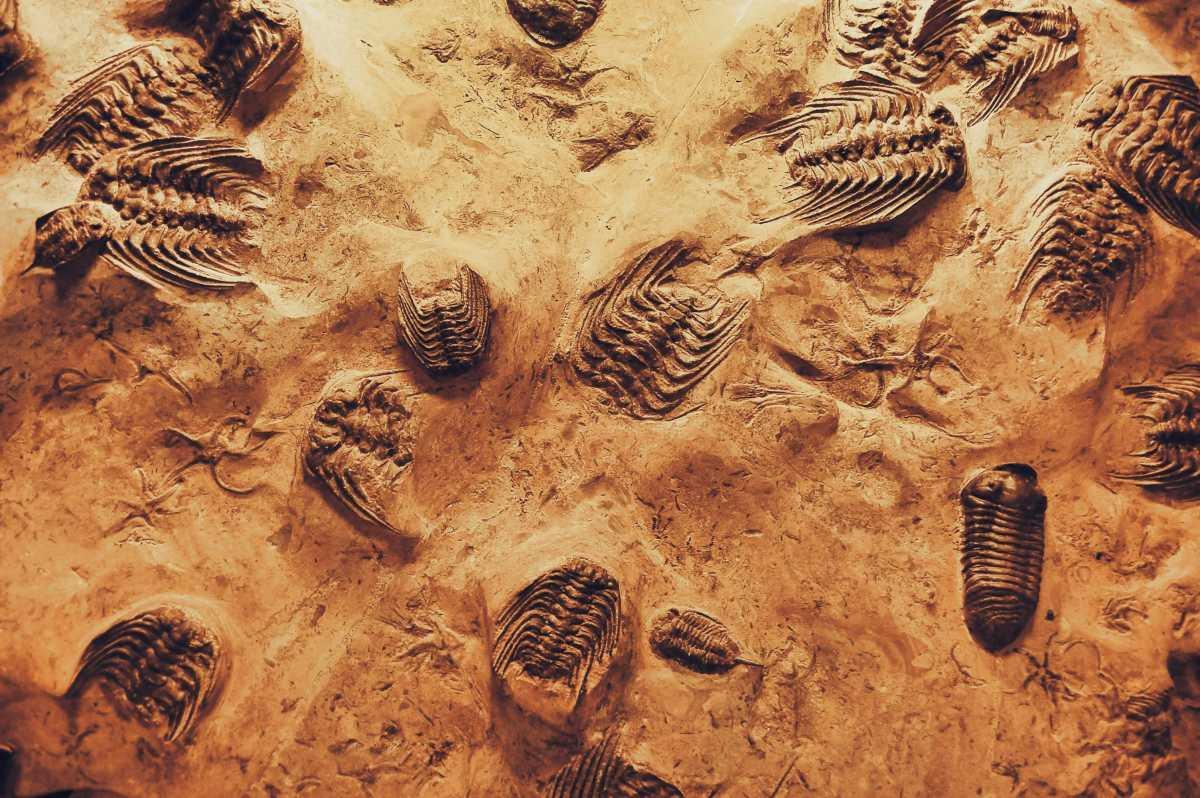
Fossils buried in sand
“Most life failed to adapt to these conditions, but thankfully a few things survived, without which we wouldn’t be here today. It was nearly, but not quite, the end of life on Earth,” said Yadong Sun, a professor at the China University of Geosciences, who was involved in the study as the lead author. The oxygen isotopes derived from the fossils indicate that they existed during the greatest mass extinction. The scientists based their study around the combination of natural factors that may have led to the death of nearly all life from the surface of Earth– an event quite impossible to imagine.
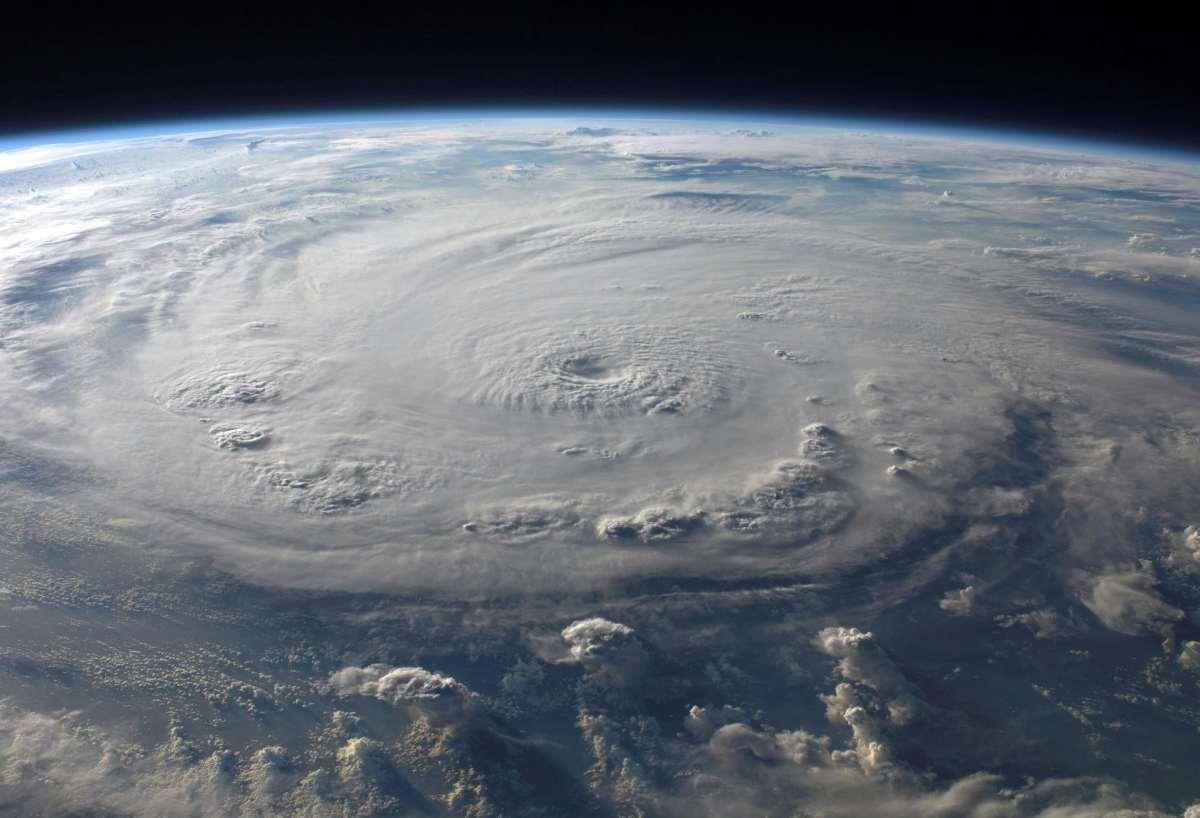
A satellite shot of the surface of Earth's atmosphere.
Dr. Alexander Farnsworth, co-lead author and professor at the University of Bristol, explained that climate warnings do not have the potential alone to bring about such dramatic changes and extinctions. It generally happens that species migrate to cooler regions as their existing habitats become too hot due to a rise in temperatures. “Our research has revealed that increased greenhouse gases don’t just make the majority of the planet warmer, they also increase weather and climate variability making it even more 'wild' and difficult for life to survive,” the researcher said.
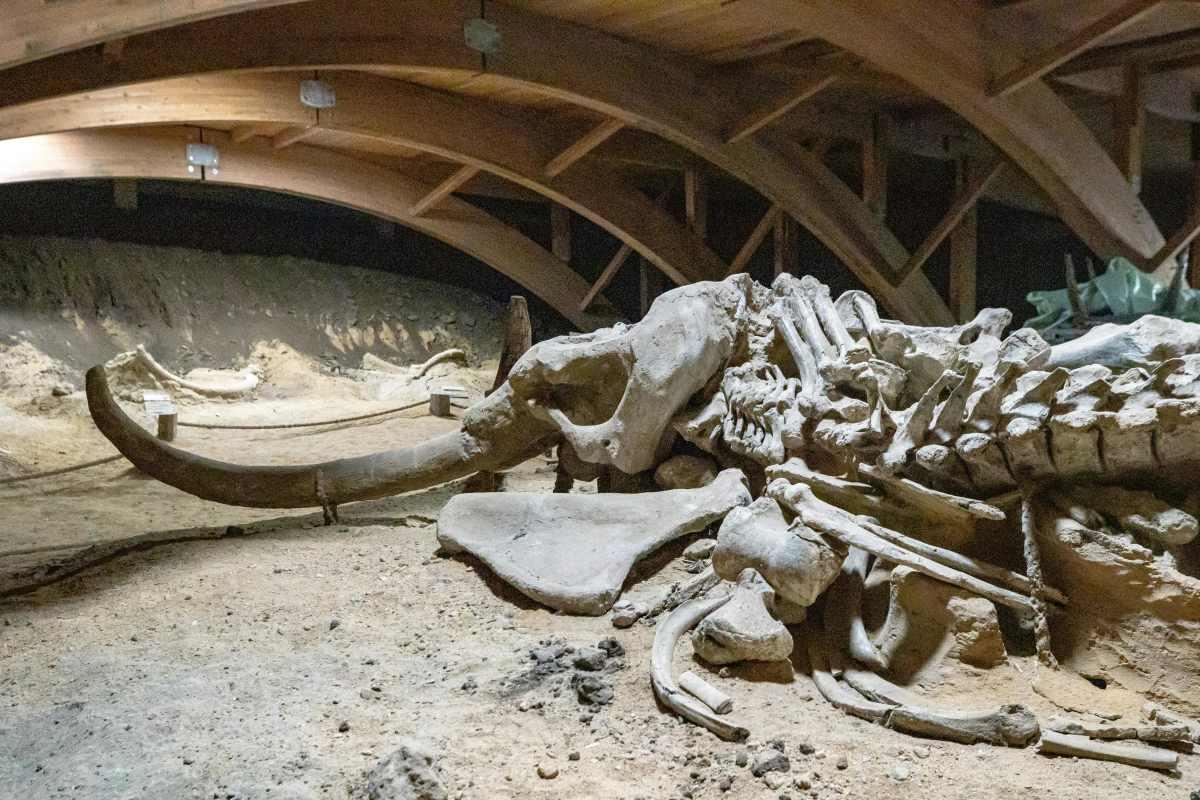
A massive fossil of a mammoth from history.
According to the study, a combination of extreme El Nino events paired with warming climates globally resulted in deforestation, reef demise, and a plankton crisis, forging a feedback cycle causing even more drastic and stronger El Nino events. The altered climate patterns were so intense that even most of the marine life was lost. About 90% of marine species and 70% of land animals were wiped out from Earth, per Greenly. It is worth noting that history has a tendency to repeat over time. The rapidly declining state of the planet and the accompanying consequences of climate change only remind us to be fearful of what the future may behold for life on Earth. As for the exact reason behind the Great Dying, it largely remains a mystery to date in light of the spare pool of evidence from old rocks.