
Scientists Race Against the Clock to Save Mediterranean Great White Sharks from Extinction
Published Dec. 31 2025, 3:01 a.m. ET

Scientists in cage with a great white shark
Otherwise famed for their golden sands, blue-white seaside villages, sparkling turquoise waters, and desertscapes, the beaches of North Africa have lately turned into a hotbed of murder episodes. Not the murder of humans, but rather, of the sharks. BBC News recently recorded clips that display dead sharks being hauled in fishing boats and men preparing to sell them in trollies. Once the sharks are brutally yanked from the water, every scrap and shred of their body is exploited. No part is spared.
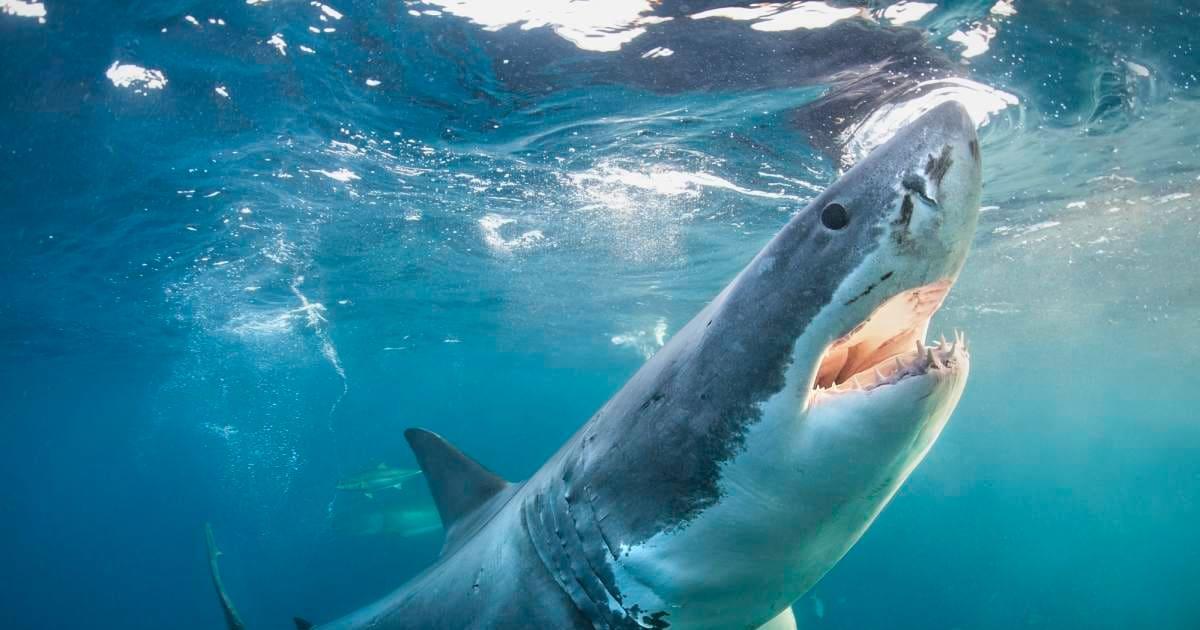
Great white shark gazing upwards from the ocean
Fins are mangled to create sharp fin soup. Liver is butchered for Vitamin-rich oils, lotions, lip balms, and lamp fuels. Teeth and jaws are jerked out for jewelry, while the skin is ground and beaten until it turns into shagreen, a type of leather humans use in shoes, wallets, jewelry boxes, handbags, and watch straps. The skeleton is shipped to doctors who will use it to treat bone problems. Even the leftover carcass is milked out for money. It usually ends up in fertilizer canisters or as dissection specimens in medical schools, where students cut them up to learn biology.
When someone talks about sharks, they imagine gigantic SUV-sized queenly predators that rule the ocean. But these episodes seemingly contradict what everyone thinks about sharks. The great white sharks, especially. In late 2025, the Blue Marine Foundation partnered with the US university Virginia Tech to initiate the conservation of great white Mediterranean sharks, which are on the brink of extinction. The primary reason is illegal fishing. Lead researcher Dr. Francesco Ferretti shared that the population of great white sharks has declined dramatically in recent decades. While working on a research vessel off the coast of Sicily, he and his fellow scientists realized that these apex predators are increasingly becoming victim to poverty-stricken fishermen of North Africa.
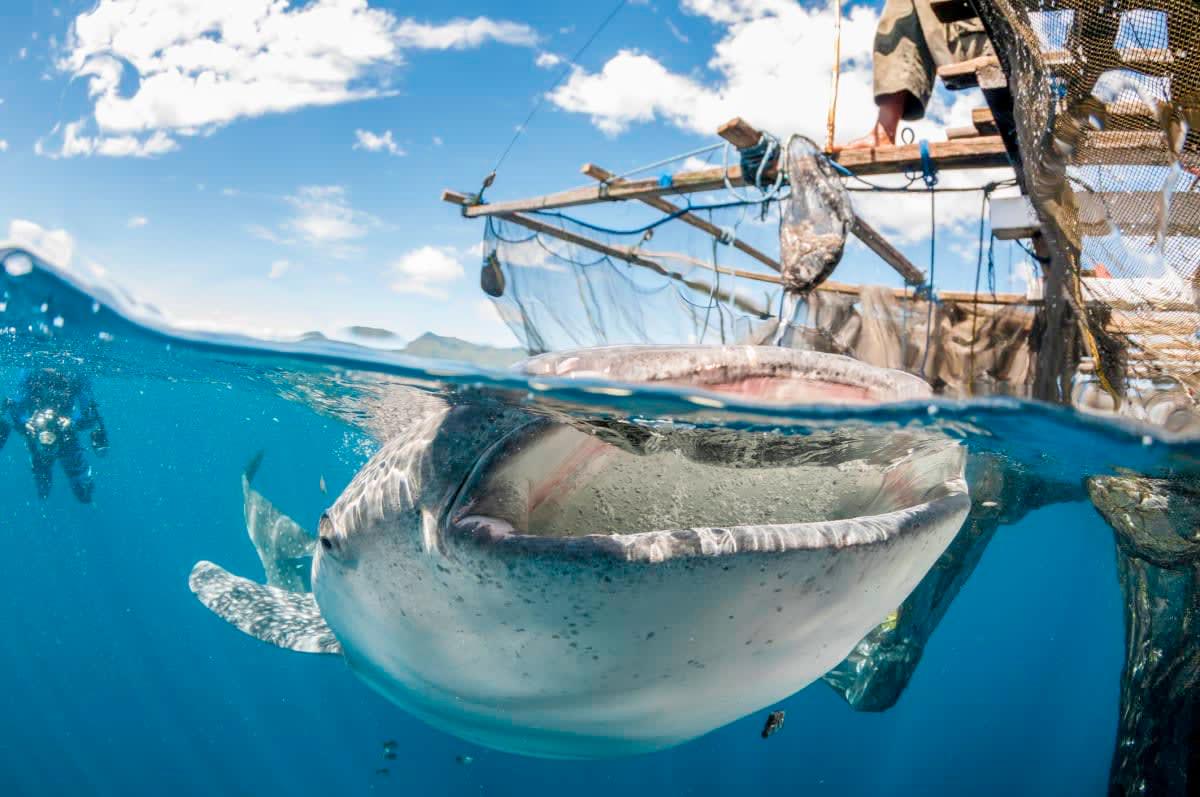
Fishermen trapping a great white shark
The Mediterranean Sea, he said, is one of the most exploited fisheries on Earth. And therefore, the impact of industrial fishing has been “intensifying,” so much so that the sharks could disappear from these waters anytime soon. In the fishing markets of North Africa, scientists have observed some of the most threatened shark species being sold, including mako, angel, thresher, hammerhead, guitarfish, and the great white shark.
Named Carcharodon carcharias, the great white shark is one of the 20 Mediterranean species protected under international law by the UN Environment’s Mediterranean Biodiversity Center. It is illegal to sell them. However, due to limited documentation of their exploitation, the data gaps have hindered the attempts of scientists to make a conservation plan. To put a full stop on this, Blue Marine partnered with Dr. Ferretti, international scientists, fishers, policymakers, and NGOs, to initiate an area-based elasmobranch protection in the Strait of Sicily.
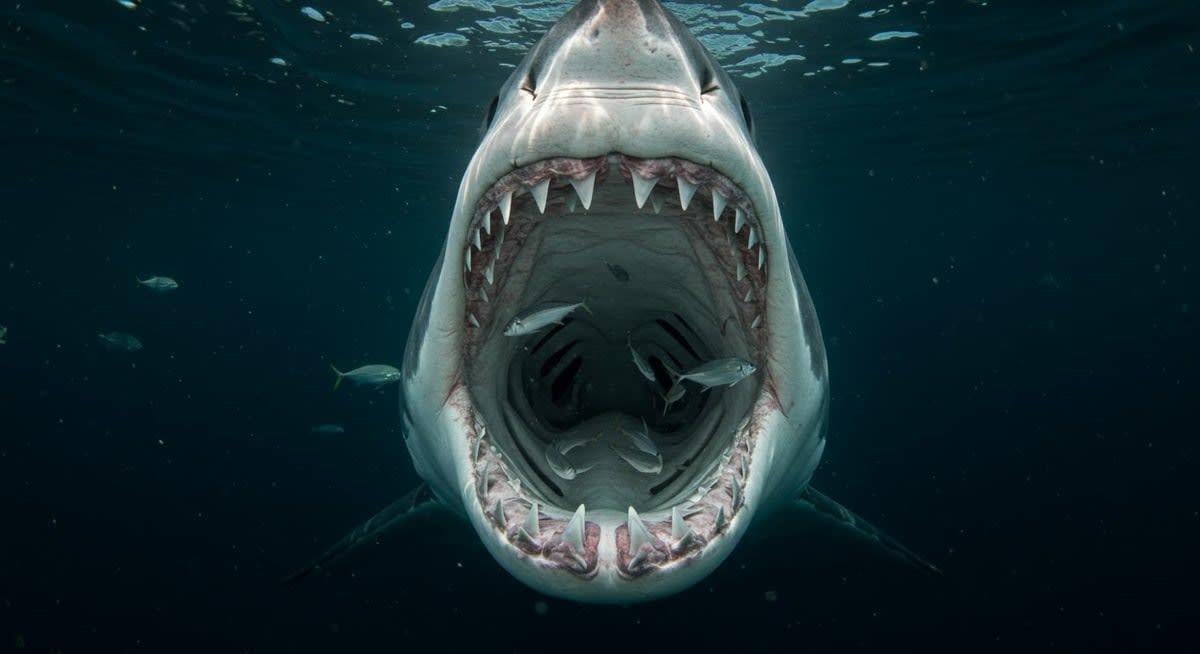
A great white shark with its predatory jaws exposed wide
The initial goal was to attach satellite tags to the Mediterranean white shark, something never attempted before. More than three tons of fishing bait were set up. A shipping container was dispatched with frozen mackerel, tuna scraps, and 500 liters of tuna oil to create a fat slick whose smell would lure the sharks. Two weeks went by. Not even one shark was found for tagging. “It’s disheartening,” Ferretti admitted. “It shows how degraded this ecosystem is.”
Reports confirmed that over 40 sharks were killed on these shores in 2025 alone. The European Union and 23 Mediterranean countries even signed an agreement, banning these species from being retained, landed, sold, or offered for sale. The sharks are required to be released alive. But why would the fishermen release them back into the water when they have to have the money to feed their families? But there’s hope, as James Glancy from Blue Marine told the BBC. "But,” he said, "we've got to act very quickly."