
Scientists Discover a Lost River That Once Flowed Through Antarctica 34 Million Years Ago
Published March 13 2025, 10:46 a.m. ET

A massive river flowing through an icy landscape.
The world had all sorts of things way before human life came into existence. So, it is a long road for researchers to unearth everything that is buried in the layers of time. One step at a time, scientists have now discovered an ancient river that once meandered through West Antarctica. No, the river water did not freeze because this part of the frigid continent boasted of a relatively milder climate where terrestrial life thrived 34 to 44 million years ago, as per a study published in the journal Science Advances.
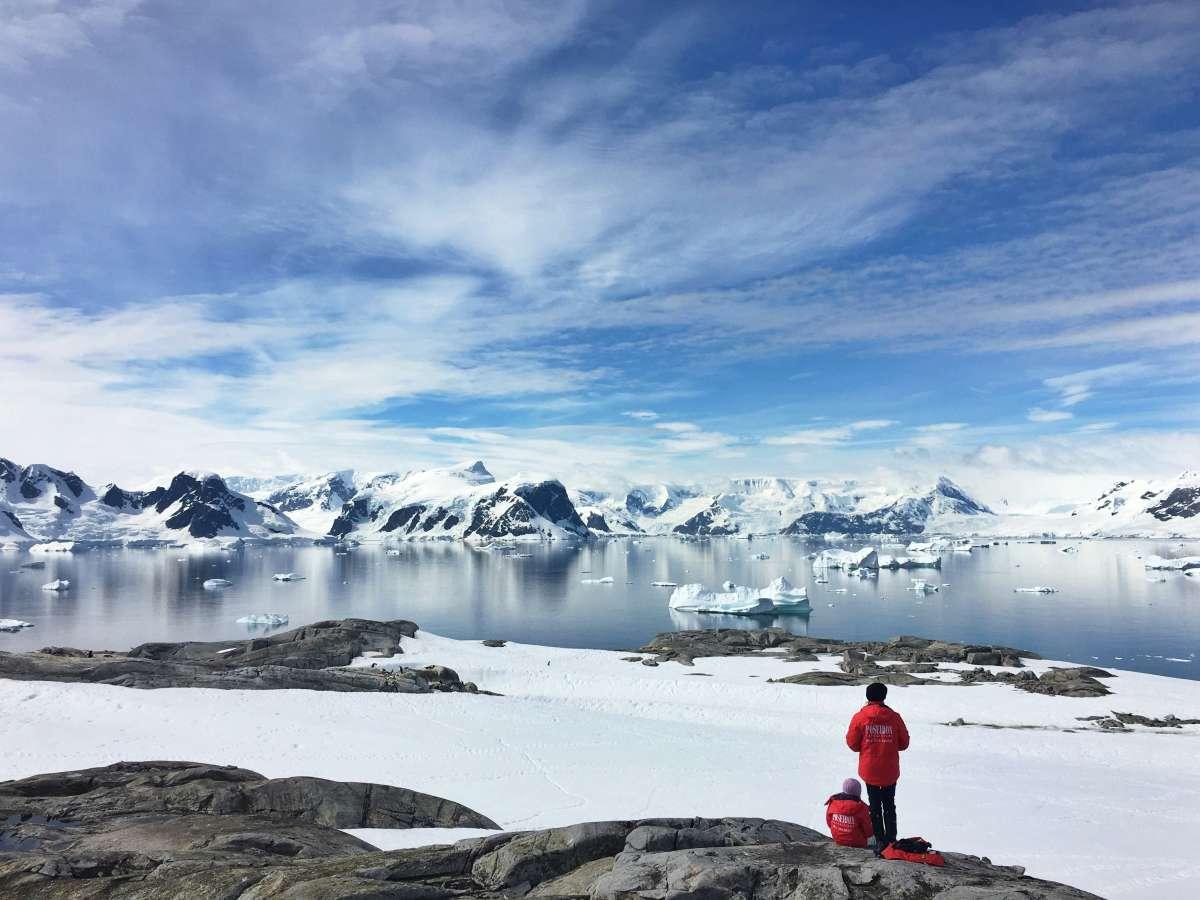
Researchers standing on a rock observing icebergs in Antarctica.
The unnamed river stretched on a 900-mile-long waterway and traversed encompassing the majority of the western Antarctic landmass. The researchers suggest that, at the time, it was home to giant penguins and the land was above sea level. Cornelia Speigel of the University of Bremen in Germany, who is an author of the study, explained to Newsweek, “We found that, before West Antarctica became covered by ice, it was dominated by a large river system, had a temperate climate (the water temperature at the surface of the river during summer was approximately 19°C), and a swampy environment.”
Winter river with floating ice and snowy banks.
The ancient river possibly flowed through a vast coastal plain in the continent with river banks flanked by swampy regions. It stretched on between the Transantarctic Mountains and all the way to the West Antarctic Ice Sheet before draining into the Amundsen Sea. Spiegel further noted that the study depicts how West Antarctica thrived at a height above sea level and a flat landmass. It is well established that the ice sheets in Antarctica are extremely thick, evidenced by the years of freezing climates it has endured. However, the unique topography of West Antarctica, including the age-old river enabled it to remain free of large glaciers. “Whereas the mountainous areas of East Antarctica started to freeze over circa 34 million years ago," she added.
Shot of a frozen river.
The pristine snowclad Antarctica, which largely makes up the South Pole, is greatly associated with mystery and intrigue. However, the international team of scientists was able to discover the river through the analysis of sediment cores of sandstone rock extracted from beneath the Amundsen Sea Embayment. It was found that the rock contained sediments originating in the Transantarctic Mountains, meaning the river may have washed it to the region. Moreover, the river existed during the Eocene geological period, a time after dinosaurs roamed the surface of the planet and way before humans existed, about 56 to 34 million years ago.
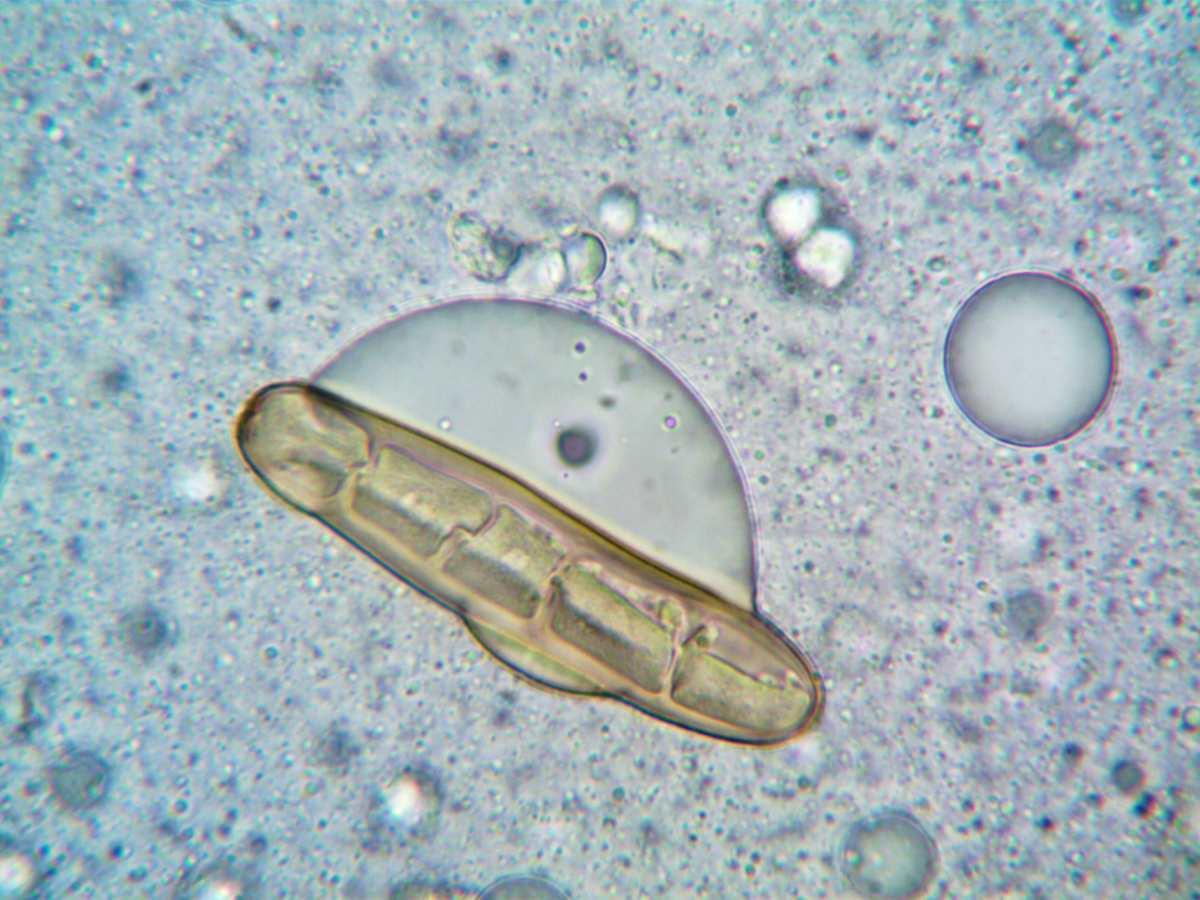
Microorganism under a microscope.
Additionally, organic chemical residues indicated that even freshwater bacteria thrived in Antarctica at a certain point in time. The study and its observation are crucial to decipher the geography and climatic conditions of Antarctica before it was entirely covered in snow. Scientists want to know how glaciation occurred in the continent about 34 million years ago- one of the most intense climate transitions in Earth’s history. While the icy depths of Antarctica preserve some important keynotes about life on Earth, at present, the continent faces the threat of perishing with warming global climates. It is one of the most vulnerable places on the planet facing the consequences of climate change, which will, at the right time, gravely affect the rest of the world.