
Right Before Crashing Into the Moon, a Spacecraft Captured a Stunning Photo of Earth
Published Dec. 3 2025, 8:35 a.m. ET

Earth rising from the beyond the Moon
If it had been on Earth, the Sun’s blaze would have chipped away its paint or dulled its shine. But Moonhouse, the tiny red-colored Swedish hut trimmed with white corners, is now lying somewhere far away from us. Mikael Genberg, the artist who created the hut, would happily accept the invitation to re-paint it, but sadly, it’s too late. Far away from his studio, the cute little hut is resting on the Moon, thanks to a Japanese space robot named Resilience that experienced a brutal crash in June 2025. Resilience proved to be a failed moon landing mission, but thanks to this little Moonhouse and a surreal photograph that the failure was toned down by a little spark of success.
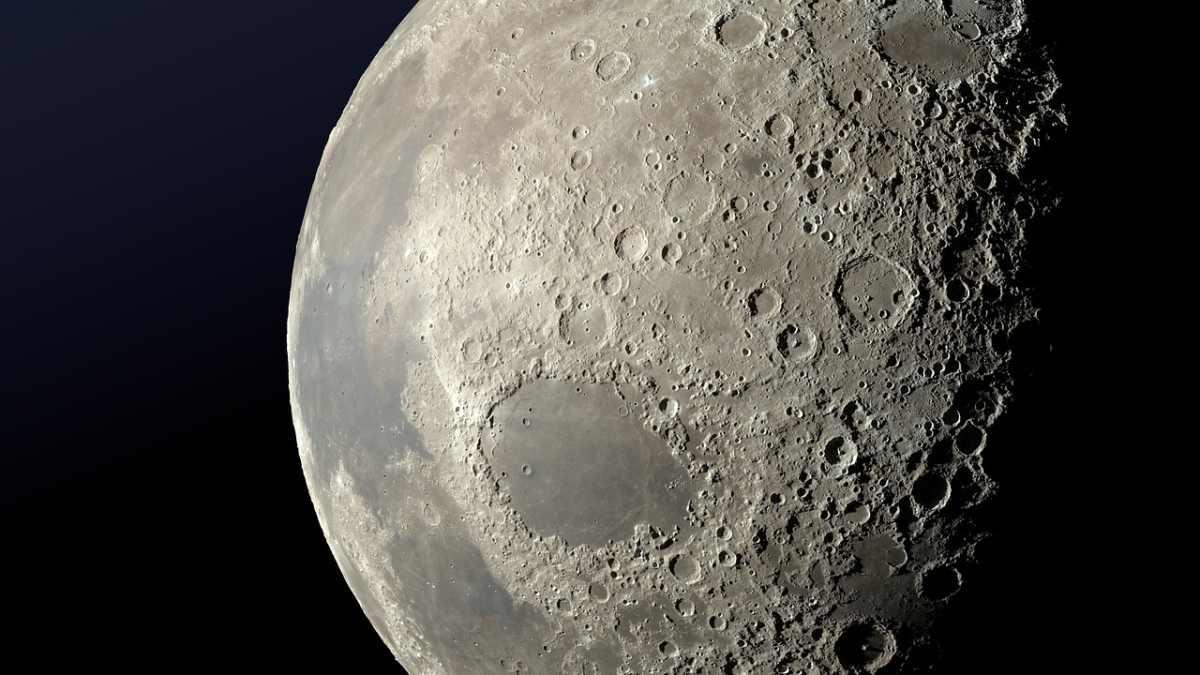
A close-up view of the far side of the moon.
Resilience, the moon lander designed by the Tokyo-based company iSpace, was part of Japan’s Hakuto-R Mission 2, a follow-up to the first Hakuto-R landing attempt in 2023. In Mission 1, the lander, supposed to touch the lunar surface, crashed during the final descent. In Mission 2, Resilience was launched with a whole lot of gear, aboard SpaceX’s Falcon 9 rocket, including several science payloads, a tiny rover named Tenacious, four landing legs, mounted cameras, propellants, and the artwork Moonhouse.
If it had succeeded in the landing, it would have been one of the first commercial craft to touch down on the Moon. It trundled and tumbled for 879,000 miles to reach the lunar orbit. Everything was running smoothly until a point when it reached about 60 miles above the surface. Resilience’s goal was to touch down near the center of Mare Frigoris, the Sea of Cold, in the moon's northern hemisphere at 60 degrees north latitude. But after it reached near the surface, the ground controllers on Earth lost contact.
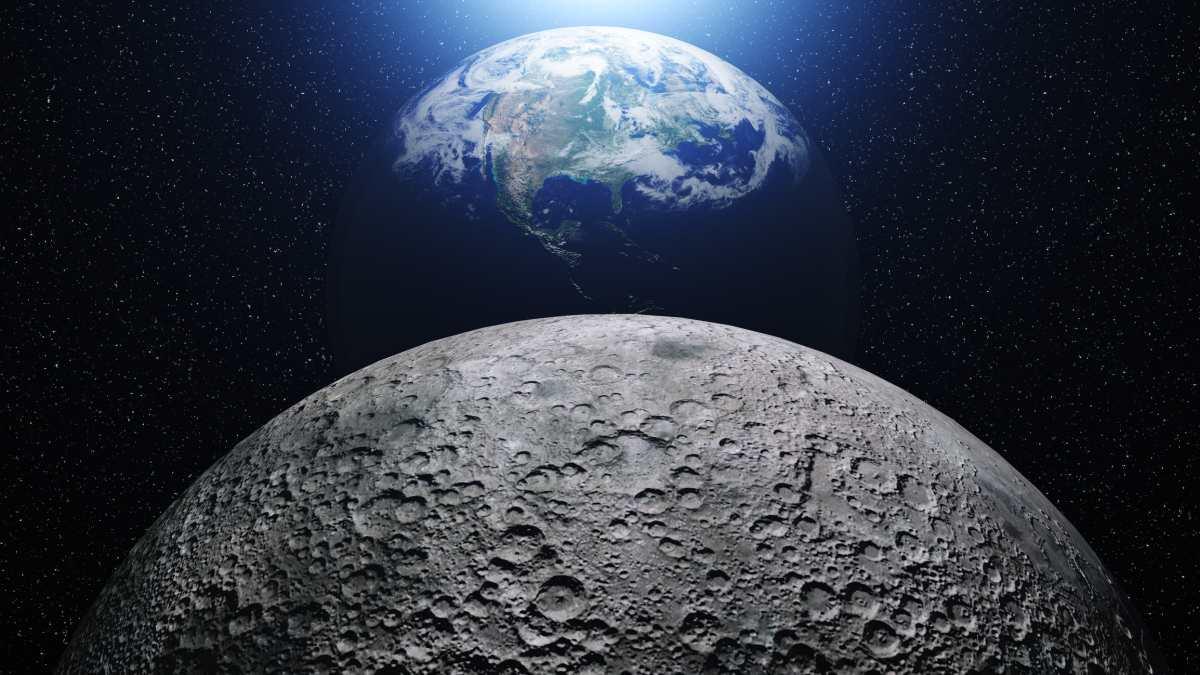
Earth seen from the Moon
As it turned out later, the failed telemetry was caused by a glitch in the laser rangefinders, a tool used to measure the lander’s distance to the surface. "Given that there is currently no prospect of a successful lunar landing, our top priority is to swiftly analyze the telemetry data we have obtained thus far and work diligently to identify the cause," ispace founder and CEO Takeshi Hakamada, per CBS News.
Days before the crash happened, Resilience had snapped a surreal photograph of Earth near the lunar surface, during a lunar eclipse. Despite failing in its primary objective, the lander succeeded in capturing this unequalled postcard, which looked quite similar to the one the craft captured in the 2023 mission.
Our robotic photographer, a.k.a. Resilience, captured the fathomless dark ocean of space, with a little blue ball we call home rising from behind the Moon. Trailing close to the rugged, undulating exterior of the Moon appears a tiny blue marble, its pieces glowing in blue, white, green, and brown colors. The photo reminded viewers of the legendary Apollo 8’s "Earthrise" photo.
Looking ahead, the Japanese startup has chalked out Missions 3 and 4, where a reprogrammed version of Resilience will attempt the moon landing, likely in 2027. The renewed lander will carry features like larger payloads, automated fall recovery, and reprogrammed descent protocols, per NASA Space News. Until then, the little blue marble in this photograph will remind Japan of when it almost touched the Moon and the persistent reminder that the tiny hut is calling them.