
Researchers Sniffed Egyptian Mummies as Part of Research — Then Came An Unexpected Scent
Published Feb. 23 2025, 8:46 a.m. ET

Two people standing in a museum with mummies
Egyptian mummies have long been a subject of fascination for people from all walks of life, be it scientists, archaeologists, film fanatics, or curious travelers. The ancient process of intentional mummification of dead bodies, which runs deep in the Egyptian culture, began approximately about 2600 BCE during the Fourth and Fifth Dynasties and continued well into the Roman Period, according to the Smithsonian Institution. But there seemed to be a lingering curiosity about the smell of well-preserved Egyptian mummies which scientists recently discovered surprisingly resembled that of sweet floral scents, per a study published in the Journal of the American Chemical Society.
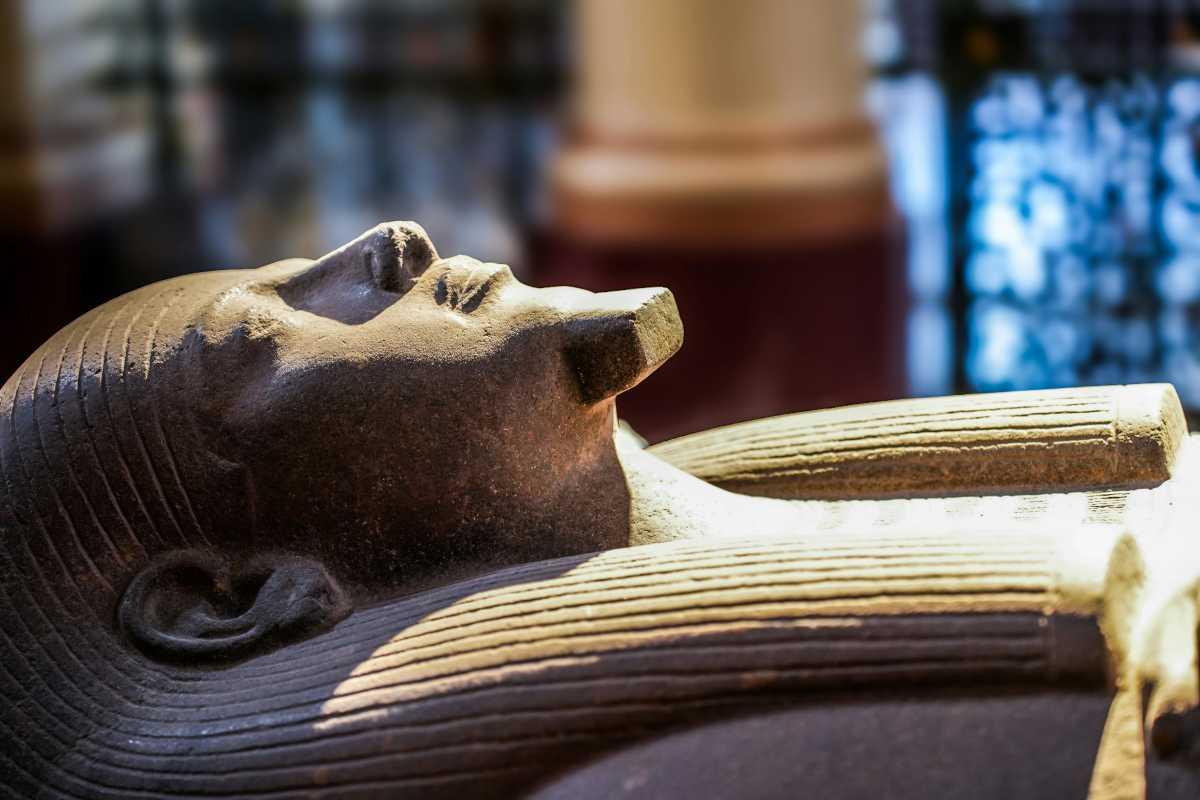
Ancient Egyptian Sarcophagus in Museum.
Through chemical analysis and a panel of real human sniffers, the researchers from University College London and the University of Ljubljana in Slovenia tested the odors from nine mummies that have been preserved for at least 5,000 years. Most described the smell as “woody”, “spicy” and “sweet,” as per ITV News. The floral scents were likely from pine and juniper resins used in the embalming of the body during preservation. The mummies tested, or rather sniffed, were selected from displays at the Egyptian Museum in Cairo or those kept in storage over the years.
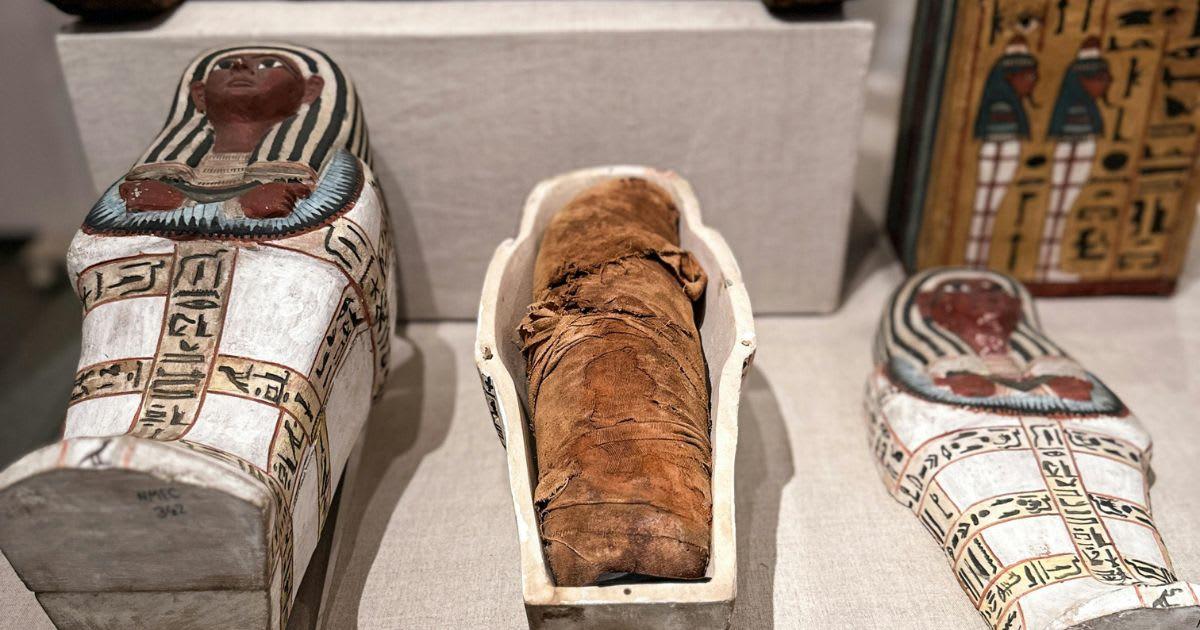
Ancient Egyptian Mummies and Sarcophagi Display.
Cecilia Bembibre, director of research at University College London’s Institute for Sustainable Heritage, told BBC Radio’s 4’s Today program, “In films and books, terrible things happen to those who smell mummified bodies. We were surprised at the pleasantness of them.” Oils, waxes, and balms have been used since ancient times to impart favorable scents for the mummies, an important aspect of the mummification process that preserves the spirit for the afterlife, per the study. It was specially done for pharaohs and noble personalities to associate them with values of purity and honor them with deity-like status.
A person spraying a perfume.
"We know smells were essential to social, religious, and personal practices [in ancient Egypt]," said Ally Louks, an English Literature supervisor at the University of Cambridge, not involved in the study. She based her PhD thesis on the politics of smell. In addition, the specific scents of mummies also indicate their social classes and provide crucial information about their history. However, the researchers were wary of the smell exuding from the preserved ancient corpses expecting pungent odors of decay or microbial degradation.
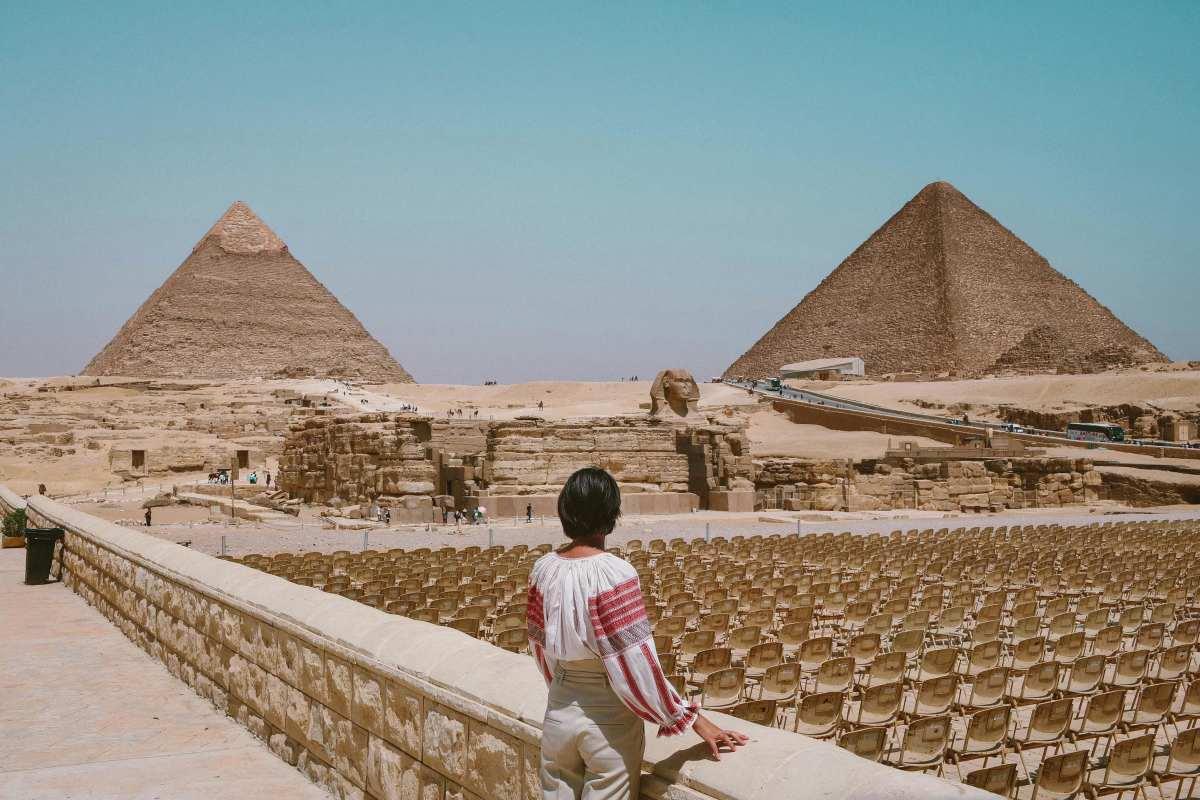
Woman Looking At Pyramids.
“We were specifically worried that there might be indications of microbial degradation, but that was not the case, which means that the environment in this museum, is actually quite good in terms of preservation,” said Matija Strlic, a chemistry professor at the University of Ljubljana. The researchers were anyhow cautious enough not to contaminate the ancient mummies with their instruments and technical methods. Instead, they measured and quantified the air molecules emitted from sarcophagi to determine the state of preservation without physically touching the artifacts.
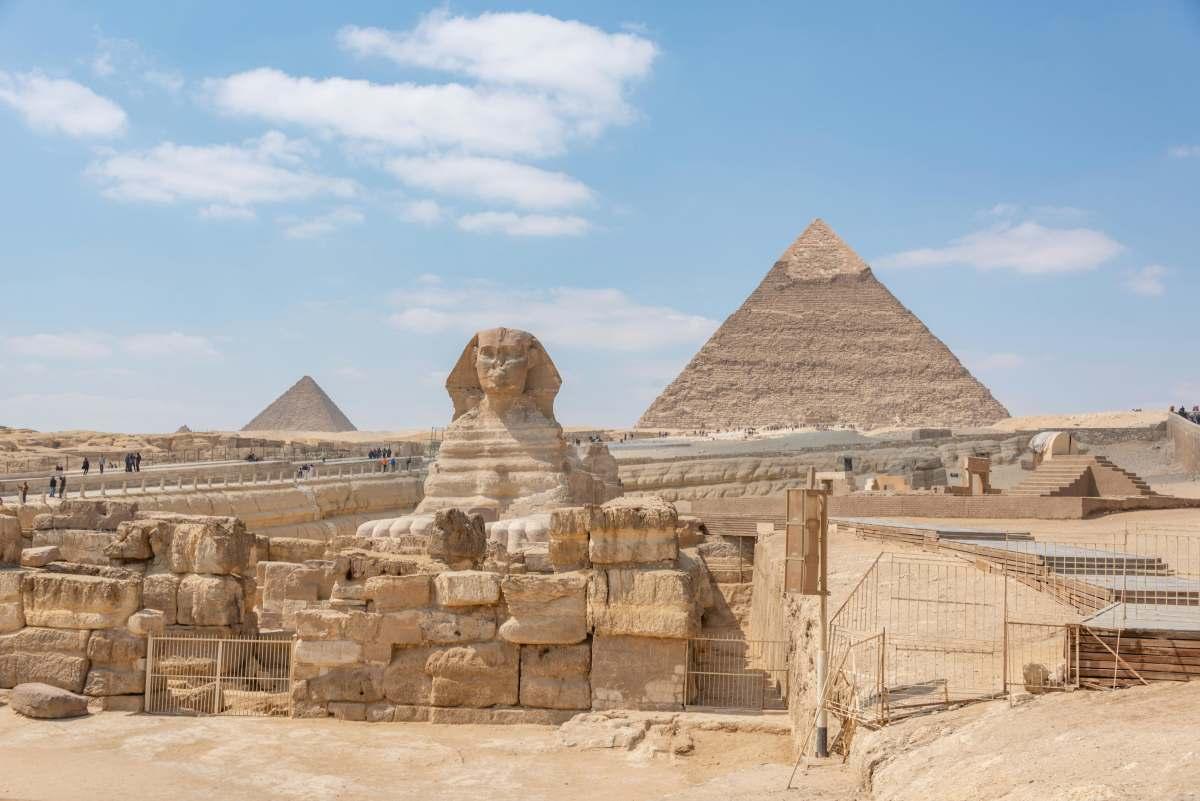
Pyramids and Sphinx Statue in Desert.
The researchers were able to detect whether the aromas came from the mummies, pesticides, or other materials used to prevent the degradation of the body. Bembibre is keen on sharing the experience of smelling mummies with history enthusiasts and the general public. She pointed out, "We want to share the experience we had smelling the mummified bodies, so we're reconstructing the smell to be presented in the Egyptian Museum in Cairo.” This experience would liberate people from the mysteries of Egyptian mummies adding to the fascination.