
Researchers Sent Robots To Explore Underwater Mountain Range — Find 20 Never-Before-Seen Species
Published March 18 2025, 2:46 p.m. ET

Strange species that were previously undiscovered were found deep inside the Pacific Ocean.
71% of Earth is covered in water. Yet, less than half of the vast oceans have been explored. But that does not mean scientists do not have an eye out for the unprecedented when surveying the unexplored underwater world using remotely operated vehicles (ROVs). In one of their recent expedition to the Nazca Ridge, a submarine mountain chain located in the southeastern Pacific Ocean off the coast of South America, Schmidt Ocean Institute researchers discovered 20 new species that were previously unheard of, per an official report by the organization.
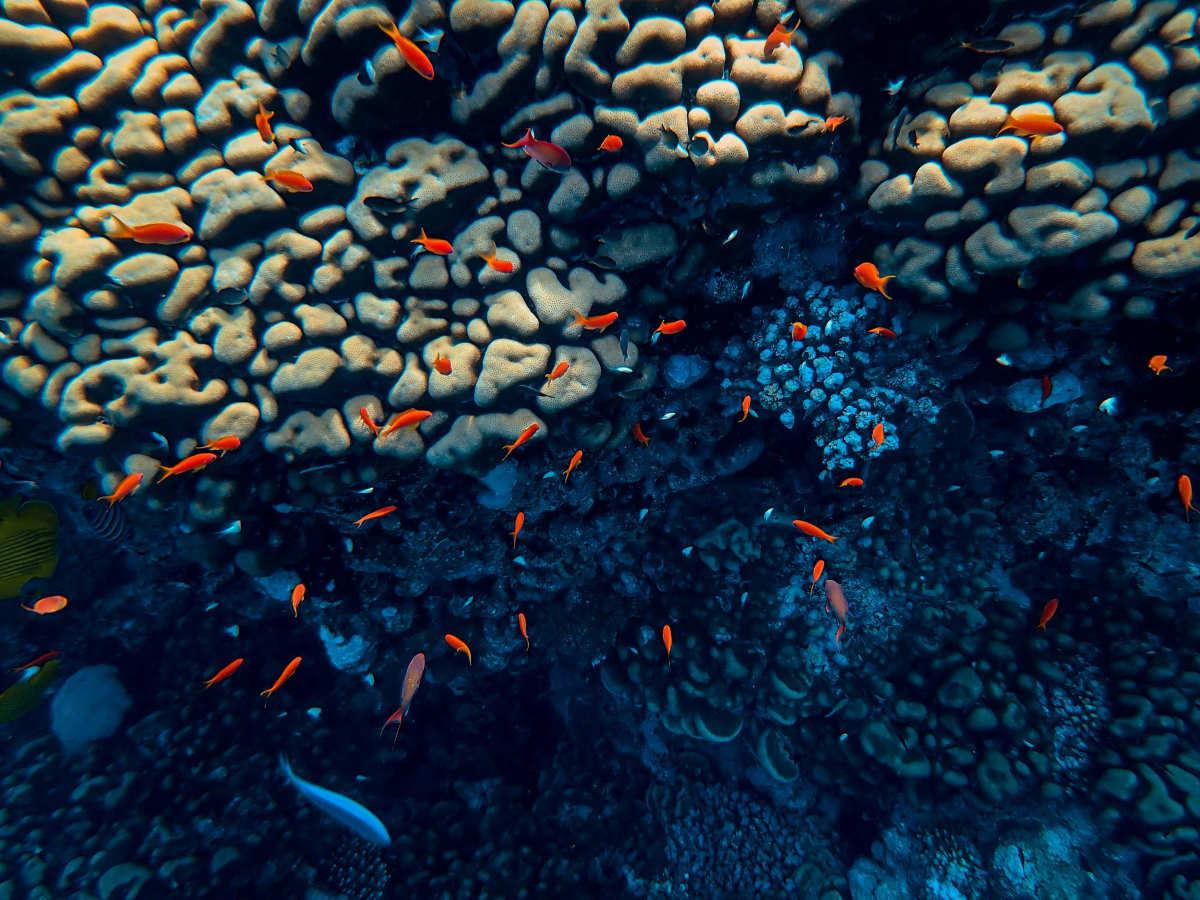
Swimming golden fish underwater in the sea.
Stumbling upon the thriving underwater ecosystems on the seamounts, the team of oceanographers led by the Schmidt Ocean Institute captured the first live footage of a Promachoteuthis squid, a rare genus identified and described with only three species collected in the late 1800s. A Casper octopus and two rare Bathyphylsa siphonophores, also known as flying spaghetti monsters were observed on the seamounts during the 28-day expedition to the international waters of the ridge, located about 900 miles off the coast of Chile. Ancient deep-sea coral gardens the size of three tennis courts, untouched by humans, sheltered a community of rockfish, brittle stars, and king crabs, per the source.
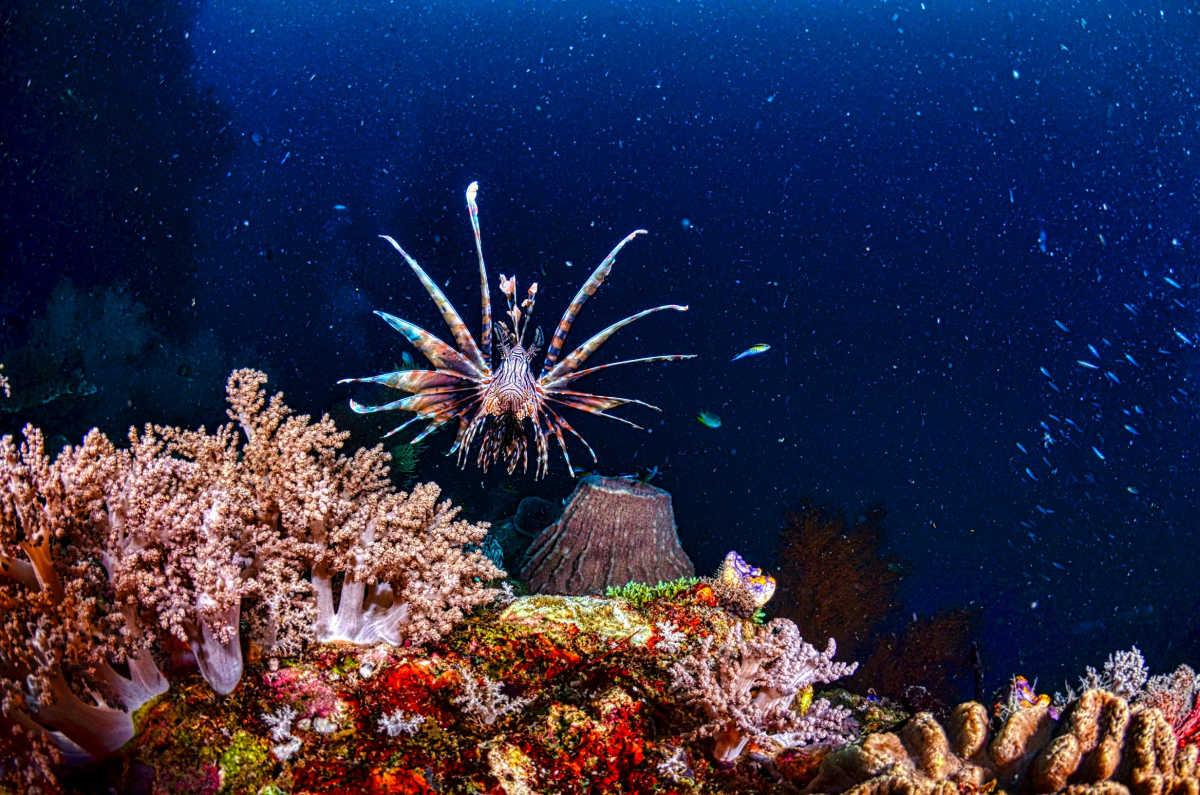
Red Lionfish and a Coral Reef.
The Nazca Ridge is more than 1.9 miles (3,109 meters) tall and has several seamounts that provide the ground for these thriving ecosystems. “Our findings highlight the remarkable diversity of these ecosystems, while simultaneously revealing the gaps in our understanding of how the seamount ecosystems are interconnected,” said Tomer Ketter, Co-Chief Scientist and Schmidt Ocean Institute Marine Technician. “We hope the data gathered from these expeditions will help inform future policies, safeguarding these pristine environments for future generations,” he added. He and his team of scientists had explored around 25 seamounts as part of their third expedition to the ridge.
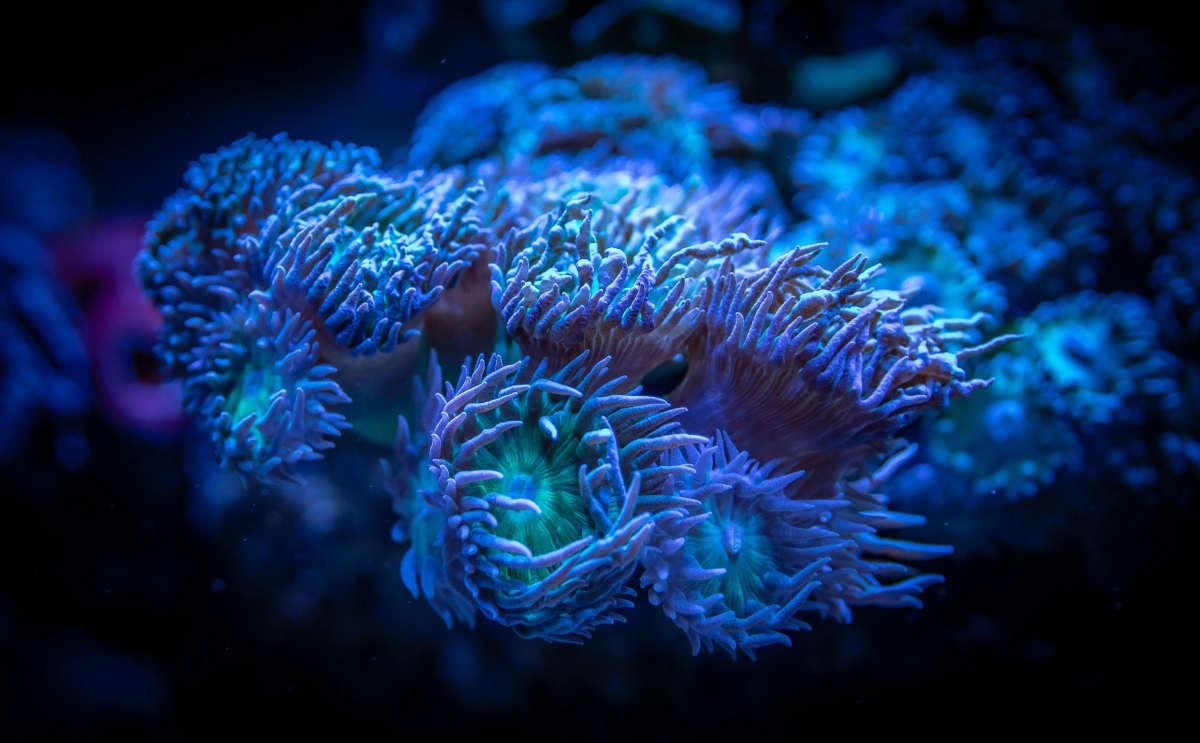
Coral gardens under the sea.
The stunning footage shared by the organization on YouTube (@SchmidtOcean) was captured while the ROV, Falkor (too) explored the ocean beds of the Pacific. The new findings only add to the previous pool of previously unknown species, about 150 different creatures. Speaking of what is known, 1,019 species lived in this extreme habitat under the Pacific and with the addition of the new species, the tally has come to over 1,300 species.
Professor Alex David Rogers, Science Director of Ocean Census, a collaborative alliance aimed at discovering and protecting ocean life, expressed confidence in the research expedition to further our understanding of the underwater mountains that previously escaped attention from scientists. “The work our taxonomists have conducted aboard Falkor (too), supported by the Schmidt Ocean Institute team, will significantly enhance our understanding of the distribution of remarkable life forms on these underwater mountains,” they added.
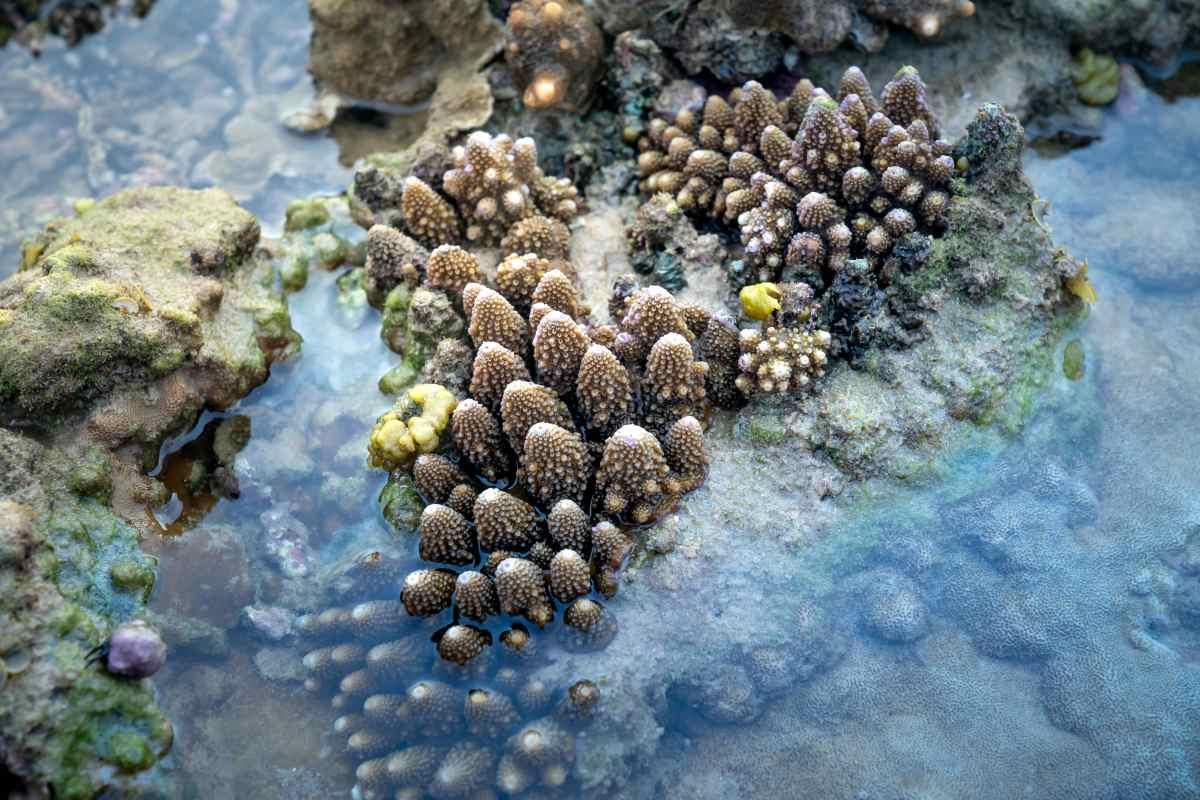
Exotic coral reefs are covered with shallow seawater.
The Nazca Ridge expedition was helmed by Schmidt Ocean in partnership with Ocean Census and the Center for Coastal and Ocean Mapping/Joint Hydrographic Center at the University of New Hampshire. Dr. Jyotika Virmani, Co-Chief and Executive Director at SOI revealed that only 26% of the seafloor has been mapped with such detail but marked a giant leap in ocean science with the help of the third expedition to the ridges. The mystery of the deep blue is far from solved with scientists estimating there may be a million species in the ocean, of which only two-thirds have been discovered and recorded, per the National Oceanic and Atmospheric Administration.