
Researchers Come Across an Unexpected Animal Ecosystem Thriving Under the Seafloor
Published March 1 2025, 11:46 a.m. ET

A woman exploring the deep sea.
Life exists in all the cracks and crevices of the world. The discovery of a first-of-its-kind habitat on the Pacific Ocean floor simply perpetuates the fact. New research found a whole ecosystem of unseen creatures thriving beneath an undersea volcano in East Pacific Rise off the coast of Central America. Scientists embarked on a mission on a research vessel, Falkor, that used a robotic arm to clear a square of ocean floor and replaced it with mesh boxes in the gaping holes for ease of observation, per Live Science.
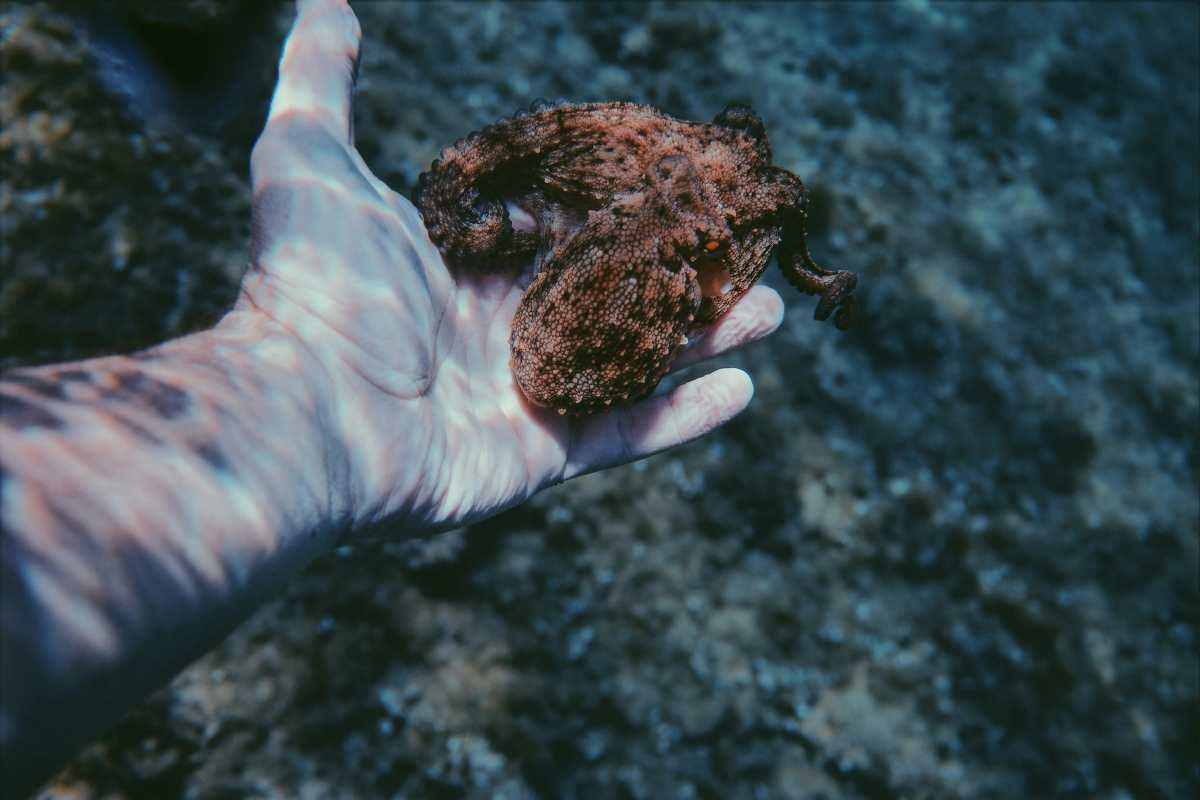
A person underwater holding a small octopus.
A host of sea creatures, including unusual species of worms, snails, and deep-dwelling octopuses, thrived in a self-sufficient ecosystem tucked beneath the hydrothermal vents. Scientists were led to this fragile and hidden ecosystem after they found marine creatures living beneath the cavities of the mesh boxes and deduced their existence under the seafloor. The giant tube worm, scientifically known as Riftia pachyptila, caught the researchers’ interest as their offsprings have been spotted above vents. According to their observations, the larvae utilize the subsea volcanic fluids to reach new habitats.
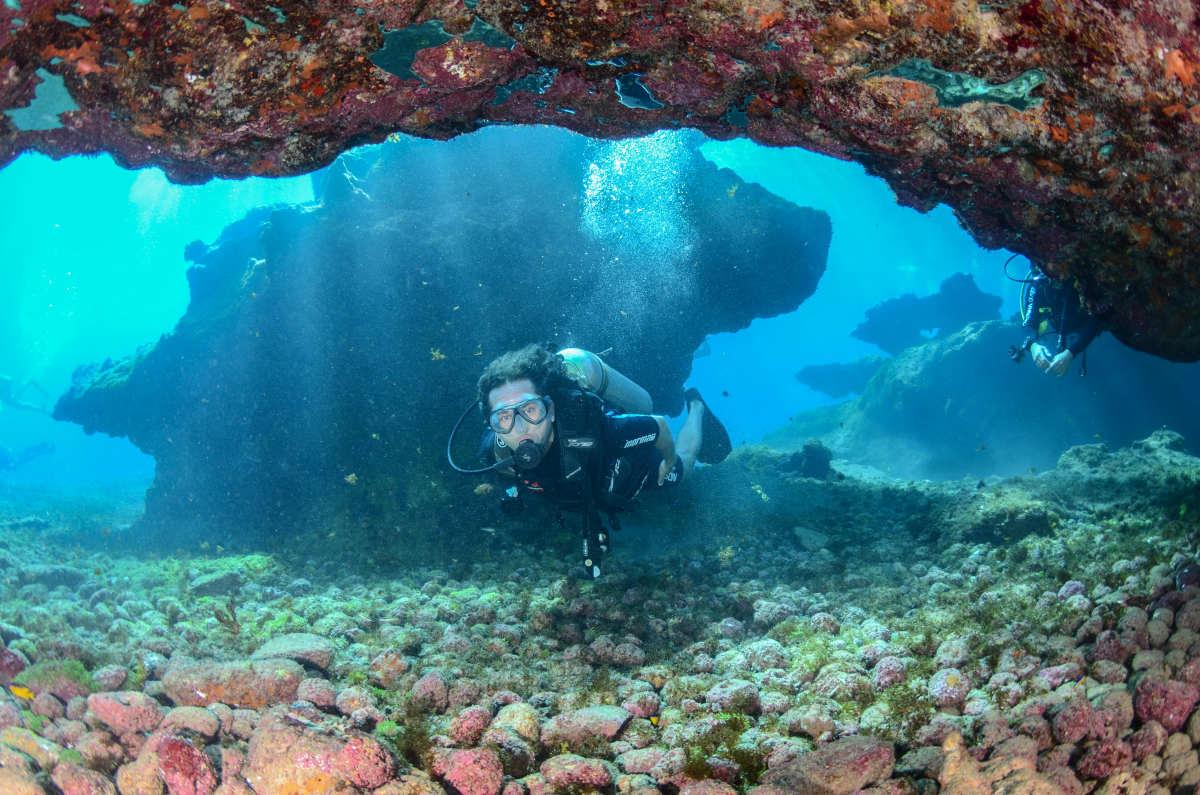
A woman exploring the deep sea.
"On land we have long known of animals living in cavities underground, and in the ocean of animals living in sand and mud, but for the first time, scientists have looked for animals beneath hydrothermal vents," said Jotika Virmani, executive director of the Schmidt Ocean Institute, that headed the expedition in the Pacific. She noted how this discovery provides fresh evidence on the persistence of life.
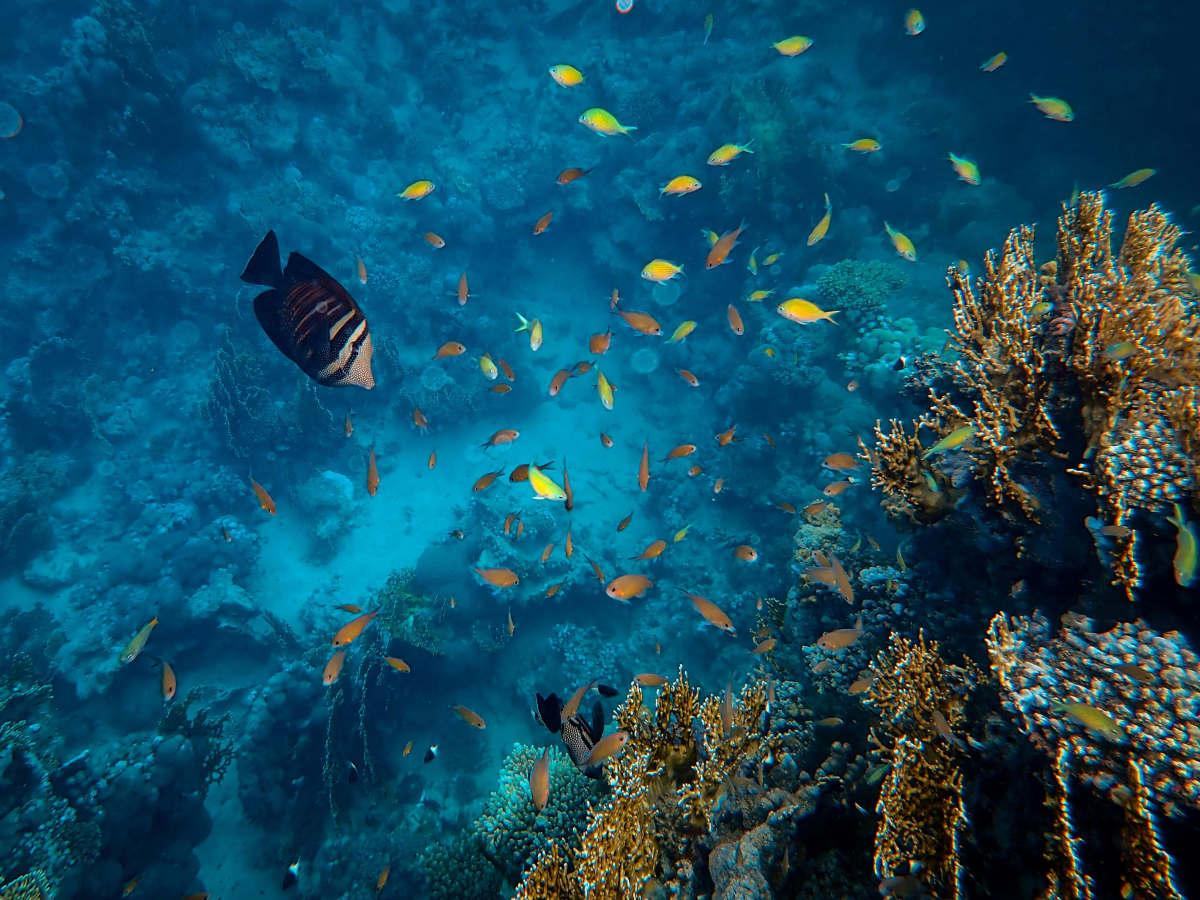
Surreal underwater ecosystem with clusters of tiny fishes and organisms
Ecologist Monika Bright of the University of Vienna, who also worked on the mission, shared that the discovery of animal life at deep-sea vents is a treasure trove of knowledge for unusual marine ecosystems. She reiterated the existence of two dynamic vent habitats where animals thrive in unison while depending on the mineral-rich vent fluid and oxygen in the shearwater above. However, such undersea habitats are anticipated to be vulnerable to deep-sea mining operations planned in the Pacific.
President and co-founder of the Schmidt Ocean Institute, Wendy Schmidt emphasized the importance of protecting the unexplored depths of the vast Pacific Ocean. He said, “The discovery of new creatures, landscapes, and now, an entirely new ecosystem underscores just how much we have yet to discover about our Ocean — and how important it is to protect what we don't yet know or understand." Furthermore, Schmidt added that the discoveries made during the expeditions indicated toward the vitality of gathering in-dept knowledge of the deep sea.
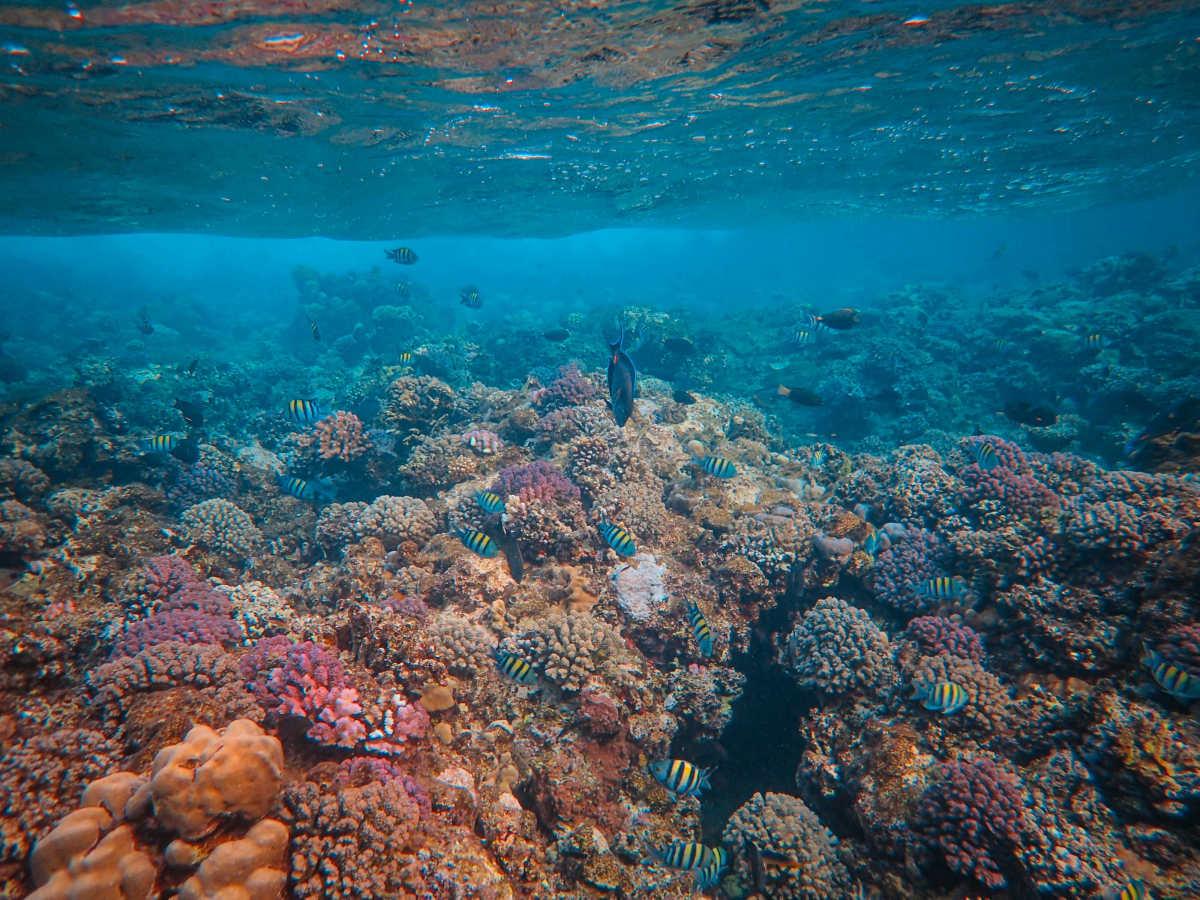
Deep ocean floor
The hydrothermal vents were first discovered in 1977 when scientists explored the East Pacific Ridge near the Galapagos Islands off the west coast of South America. The discovered vents were roughly 35 to 40 feet tall and ejected hot, mineral-rich water into the oceans. Despite the hot temperatures around the vents, up to 368 degree Celsius (694 Fahrenheit), marine life thrived around the vents, including gastropods, crabs, chemosynthetic bacteria and worms feeding off the nutrients released from the volcanic fluids.
As the report noted, the potential of extracting valuable minerals from the great depths of the Pacific Ocean through mining methods greatly threatens the survival of such fragile ecosystems. According to NOAA, the deep sea is a rich source of minerals, found in the form of polymetallic nodules and sulphides and cobalt rich ferromanganes (Fe-Mn) crusts. An area called the Prime Fe-Mn Crust Zone (PCZ) in the Central Pacific is already one of great economic interest in the world.