
NASA Sent One Twin to Space While the Other Stayed — Then They Noticed Something Strange
Published Feb. 15 2025, 8:46 a.m. ET

(L) An astronaut floating in space sees the Earth. (R) A man standing on a rock looks up at the sky. (Representative Cover Image Source: (L) Pixabay | WikiImages, (R) Pexels | Marek Piwnicki)
Space has existed since ancient times with records of astronomical observations made in several cultures and religious inscriptions, per The Weather Channel. Physical observations, however, did not occur until 1957 when the Soviet Union launched the Sputnik 1 satellite– the first human-made object to enter the Earth’s orbit, per NASA. Decades later, that curiosity for interstellar space has only increased. NASA, the leading space organization globally, found an innovative experiment to depict the impact of space on the human body– by sending a twin to space while the other remained on Earth, per a report on NASA’s Twin Study.
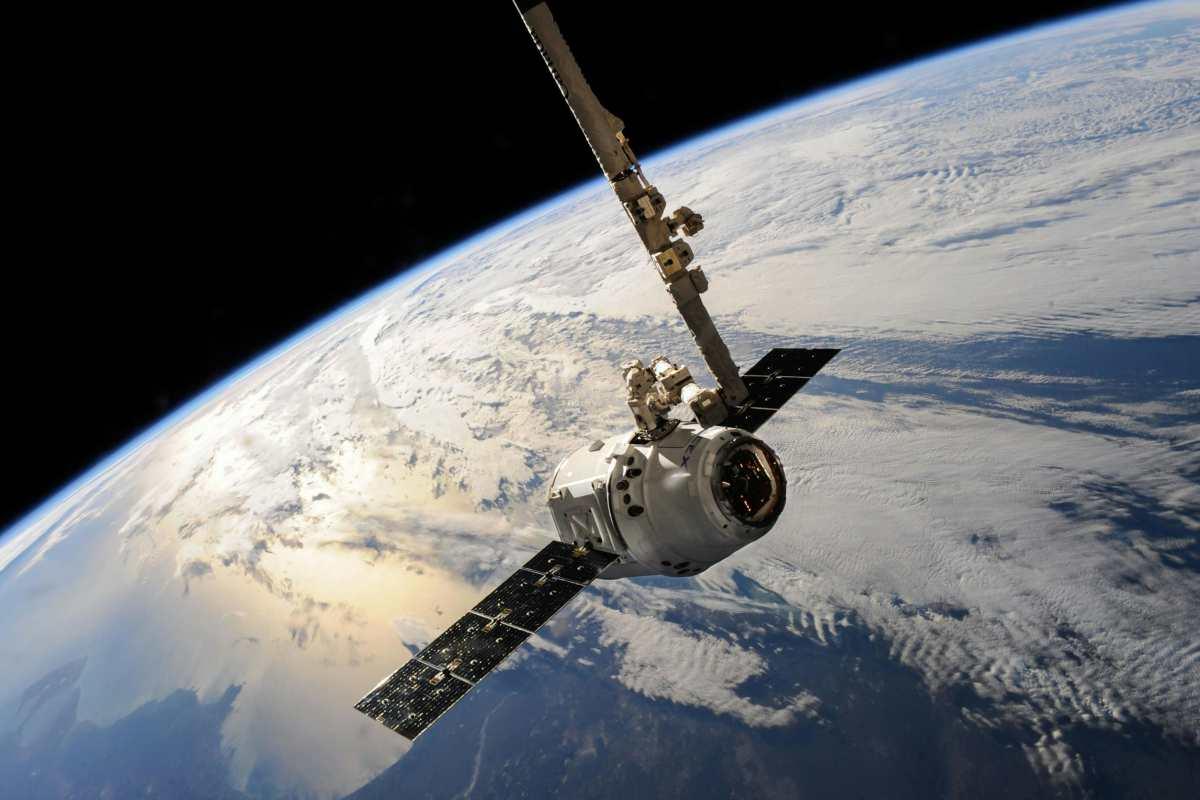
White Outer Space Satellite.
Identical twins Scott and Mark Kelly became the first relatives to be picked as astronaut candidates following their application in 1995. Owing to a career of multiple spaceflights, the retired astronauts were selected as the subjects of NASA’s landmark Twin Study between 2015 and 2016. The primary objective of the experiment was to assess the physiological, molecular, and cognitive changes in humans when exposed to the extreme environments of space.
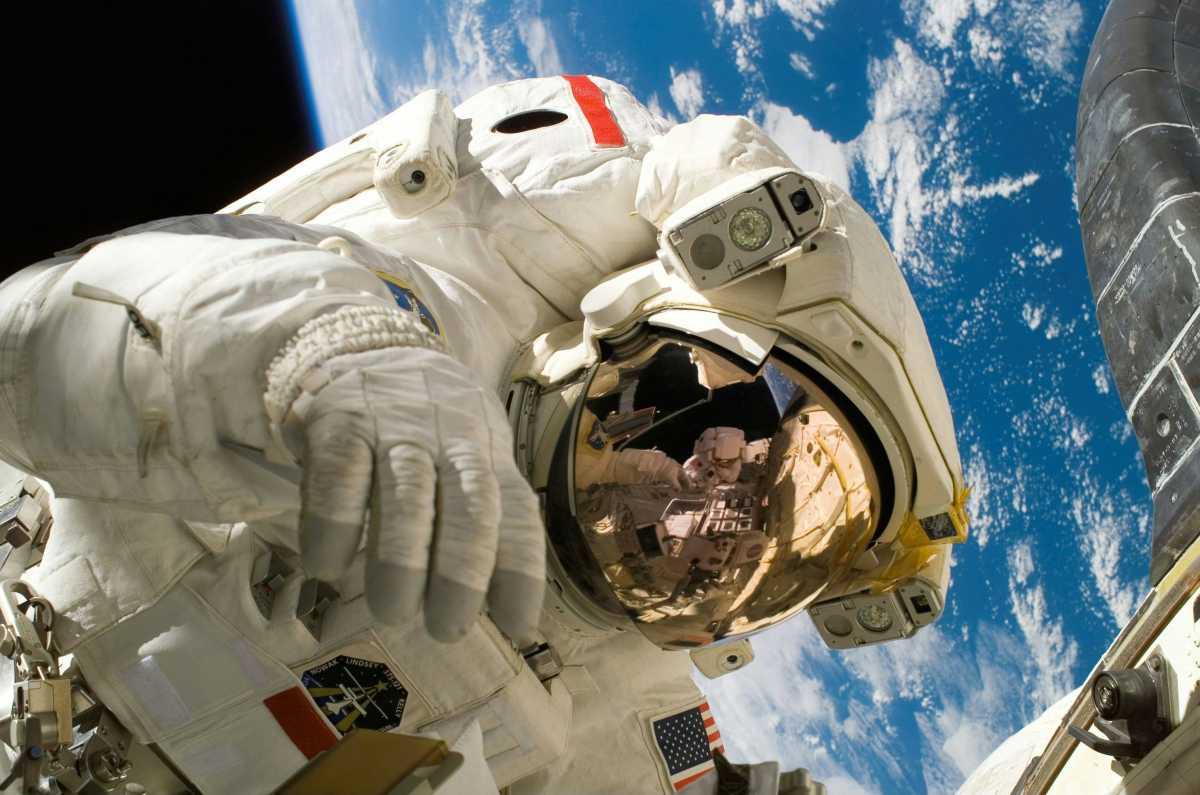
American astronaut in space.
To accomplish the same and collect essential data, Scott was sent to space to the International Space Station (ISS) while his brother Mark stayed back on the ground for a year. The Kelly twins are the only siblings to have gone into space together yet. In 2019, the results were published in a study published in the NASA report and a summary in the journal Science. Scott’s body had undergone some interesting changes during the year-long mission, the researchers found.
Within six months on the ISS, fluctuations in Scott’s body mass and gene expression were observed. His body mass decreased by seven percent mostly because of increased physical activity and his controlled nutrition consuming about 30% fewer calories than anticipated. His bone breakdown and bone reformation cycle also occurred at a faster rate than before in the initial half of the mission. The researchers were able to gather more information about vision problems faced by astronauts during spaceflight. Scott showed elevated levels of the protein AQP2, which regulates water reabsorption and is a typical indicator of hydration and dehydration of the body.
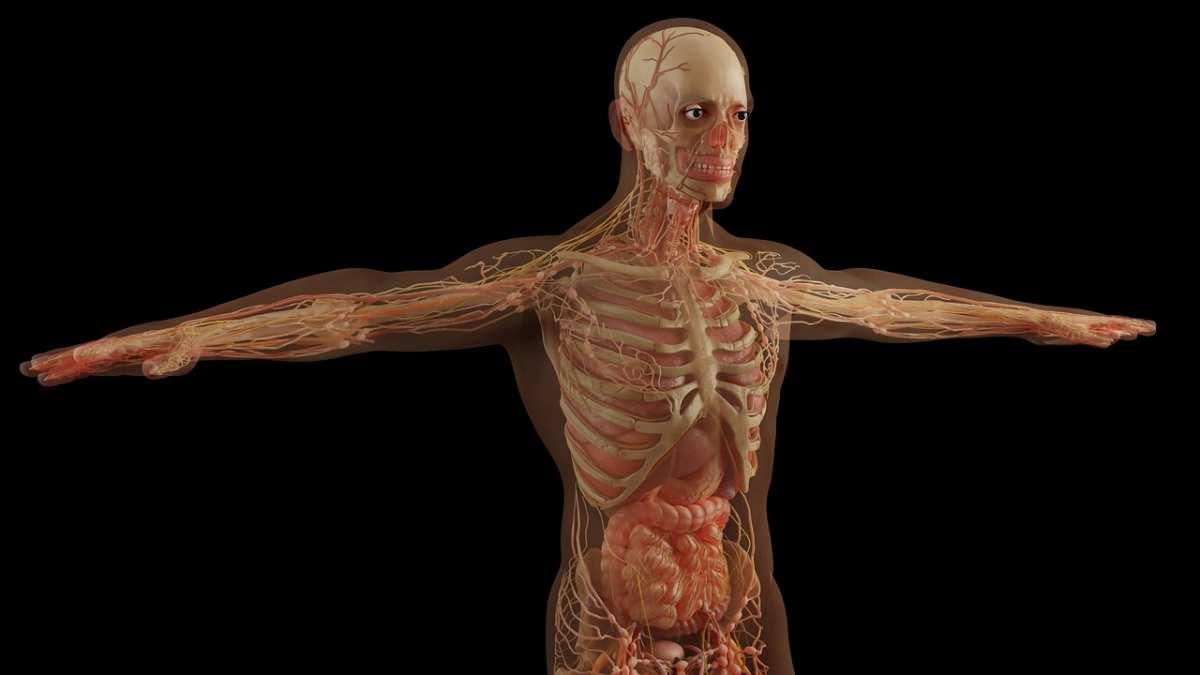
A digital illustration of the anatomy of the human body.
Scott’s body endured changes in gene expression but fortunately, most of it reverted back to normal once back on Earth. The consistent radiation exposure in space contributed to DNA damage during the Twins Study program. While 91.3% of the damage returned to normal after his return, about seven percent of his genes were permanently altered as they persisted beyond six months on the ground. While in space, Scott’s telomeres, genes linked to life longevity also increased by 14.5 percent but returned to normal once back. It is worth noting that even Mark experienced some changes in gene expression on Earth but they did not bear any correlation to Scott’s.
The findings helped researchers understand the impact of environmental stressors on gene activity and physiological processes in space. The Twin Study became a groundbreaking feat as Scott became the first astronaut to be vaccinated in space. He received three flu vaccines during the year-long mission and researchers were relieved to find that the body reactions turned out to be as anticipated. The observations from this study will be used to develop new measures and treatments that ensure the safety of astronauts and overcome the challenge of human body limitations in space.