
Gardening Expert Shares a Unique ‘Touch Test’ That Can Tell Whether Your Houseplants Are Thirsty
Published April 26 2025, 8:46 a.m. ET

Woman checks the leaves of a houseplant in a pot.
When the Sun rises from behind a trail of pine trees, touching them from behind, the trees shiver. Tall, sylphlike grasses spiral and dance on the sandy shores, jutting out of the rock, when they get kissed by the foamy lip of the sea. Clusters of sweet purple berries glisten as the beads of bitter dew fall upon them, soaking. Those young red roses quiver as rain drizzles down, rushing and seeping inside their velveteen petals that blush and close. Per Lumen Learning, a pea plant curls its tendrils and folds inwards when touched. When an insect brushes against the tiny hairs of the Venus flytrap, the leaves shut close, trapping the insect forever. All plants, like humans, respond to touch.
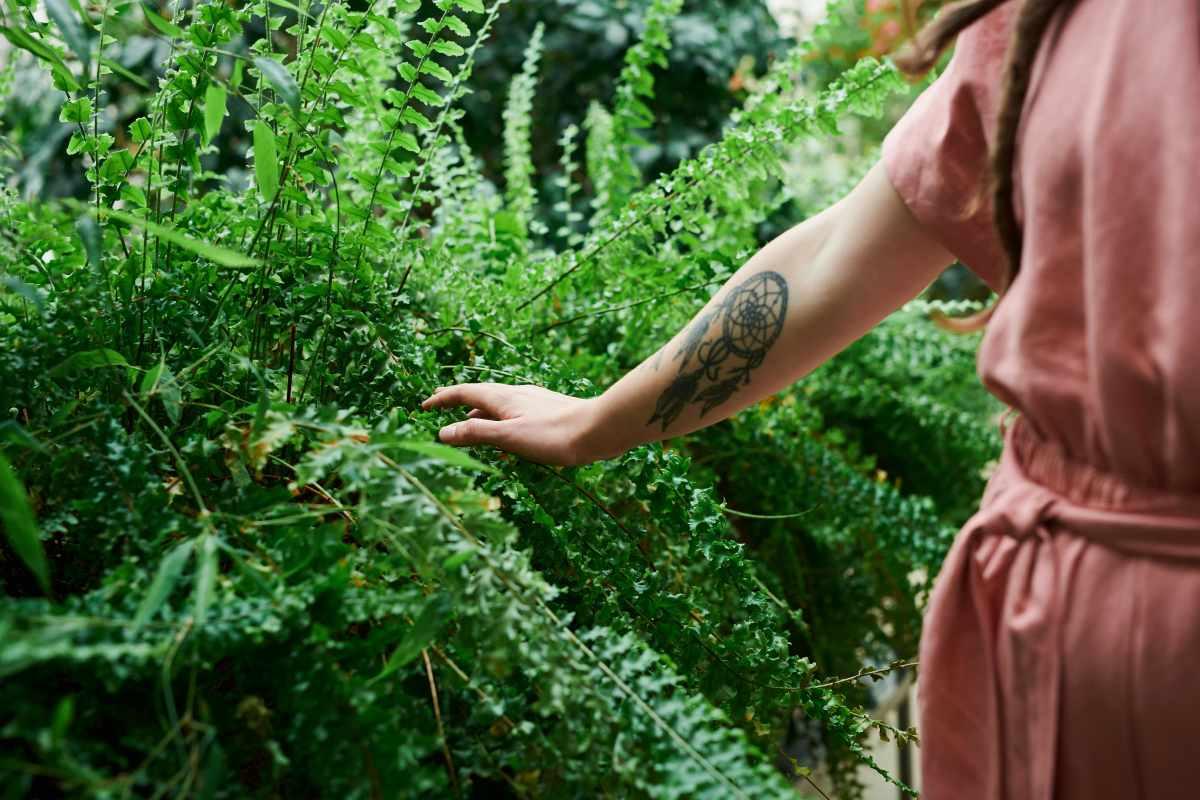
Woman brushing her tattoed hand against a cluster of green bushes
Elise Harlock, brand manager at Prestige Flowers, reflects upon this touch sensitivity to share a unique “touch test” that can help your houseplants thrive, according to the South Wales Guardian. Harlock explained that the touch test is used to check the moisture content of the soil and see if it is thirsty and in need of water. “With spring in full swing, houseplants will start to grow more actively, meaning they require extra care. Increased daylight hours and rising temperatures can cause soil to dry out faster, so it’s important to check plants more frequently to ensure they aren’t dehydrated,” she said.
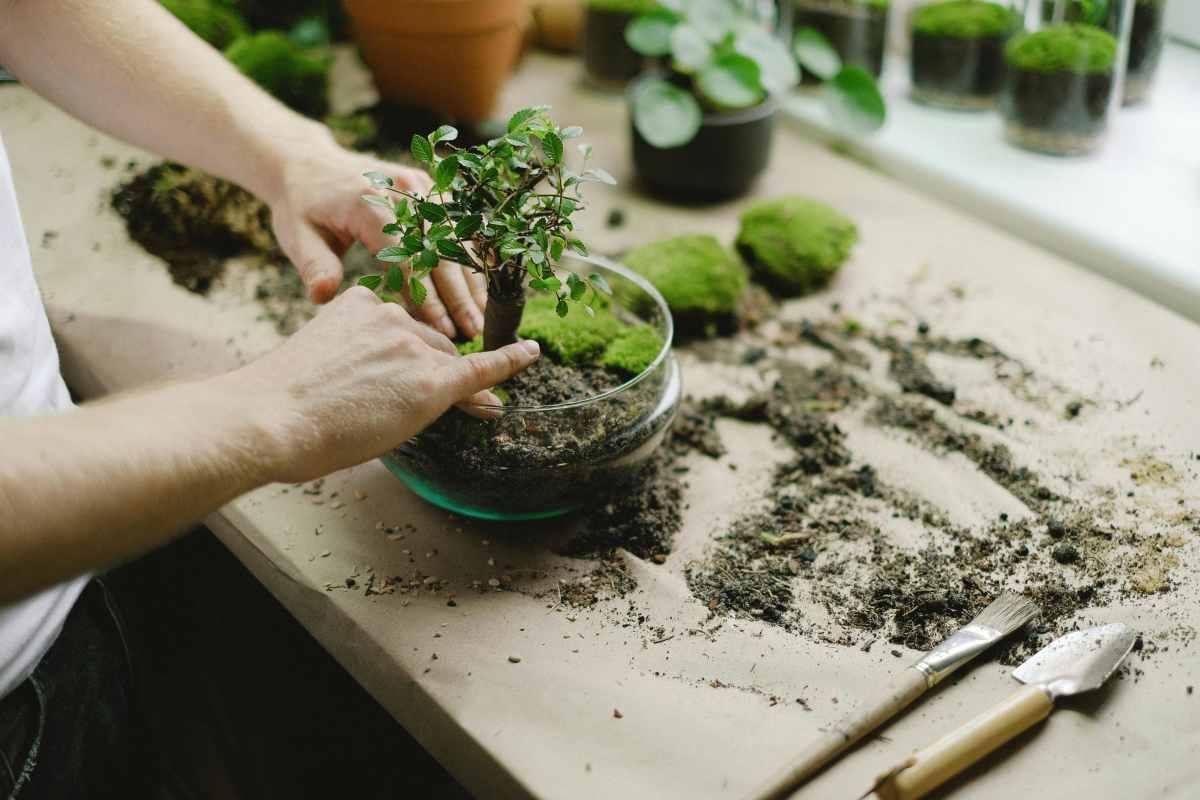
Person touches the soil inside a glass planter
The test is so simple that it requires nothing except your fingers. It starts with collecting some soil from the top inch layer and rubbing it between your fingers to assess its texture. Rubbing will tell you whether the soil is dry, moist, slippery, powdery, or sticky. In case it is too dry, it means it needs watering. And when it comes to watering, every plant has its own needs. The trick is to observe and pay careful attention to how the plant responds to the physical contact with your fingers. “Be mindful of each plant’s specific needs, though - some, like succulents, still require less watering, while tropical varieties may need more consistent moisture,” Harlock explained.
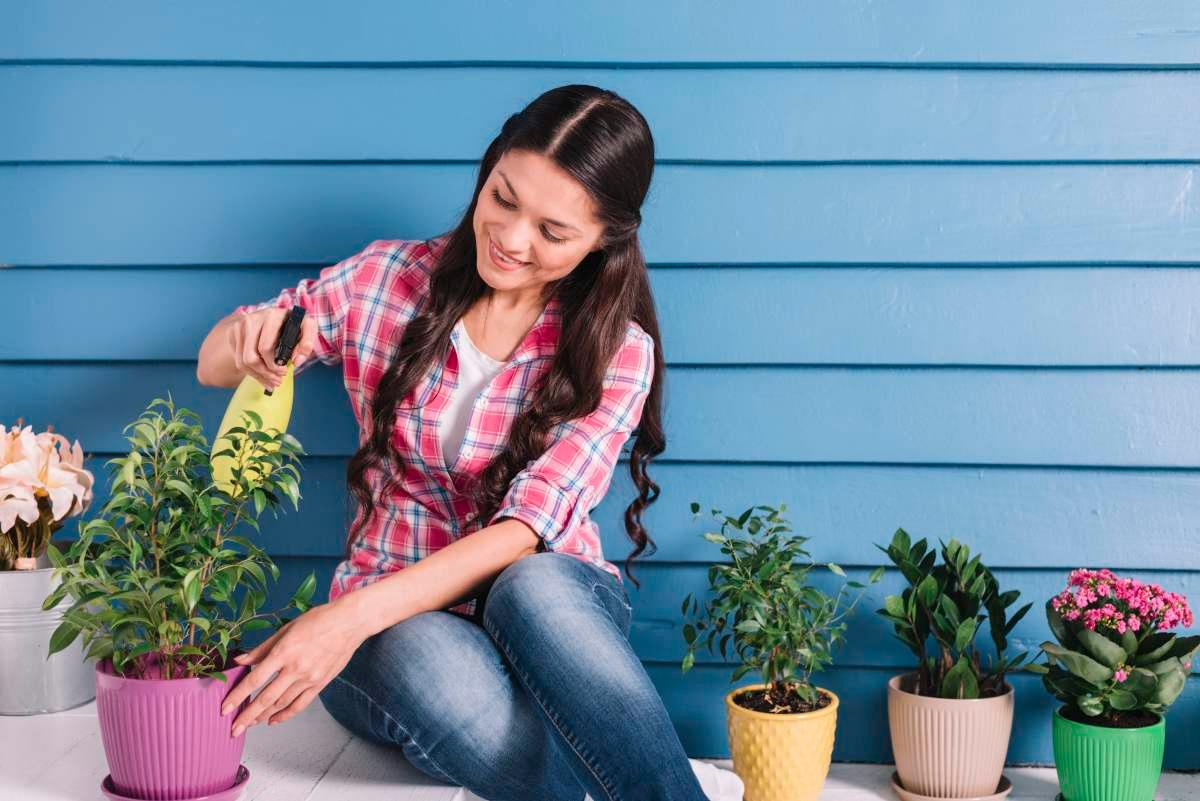
Smiling woman waters houseplants
She added that a “balanced liquid fertiliser applied every two to four weeks will provide plants with the nutrients they need.” Once you feed them enough water, you can touch the plants to check if they are still thirsty. Brush their leaves and stems with gentle caresses and see how they respond. If they’re too dry, the leaves or petals will show no reaction to your touch. At the same time, keep in mind not to overwater the plants. “It’s important to follow instructions carefully to avoid overfeeding, which can lead to weak or leggy growth,” Harlock said.
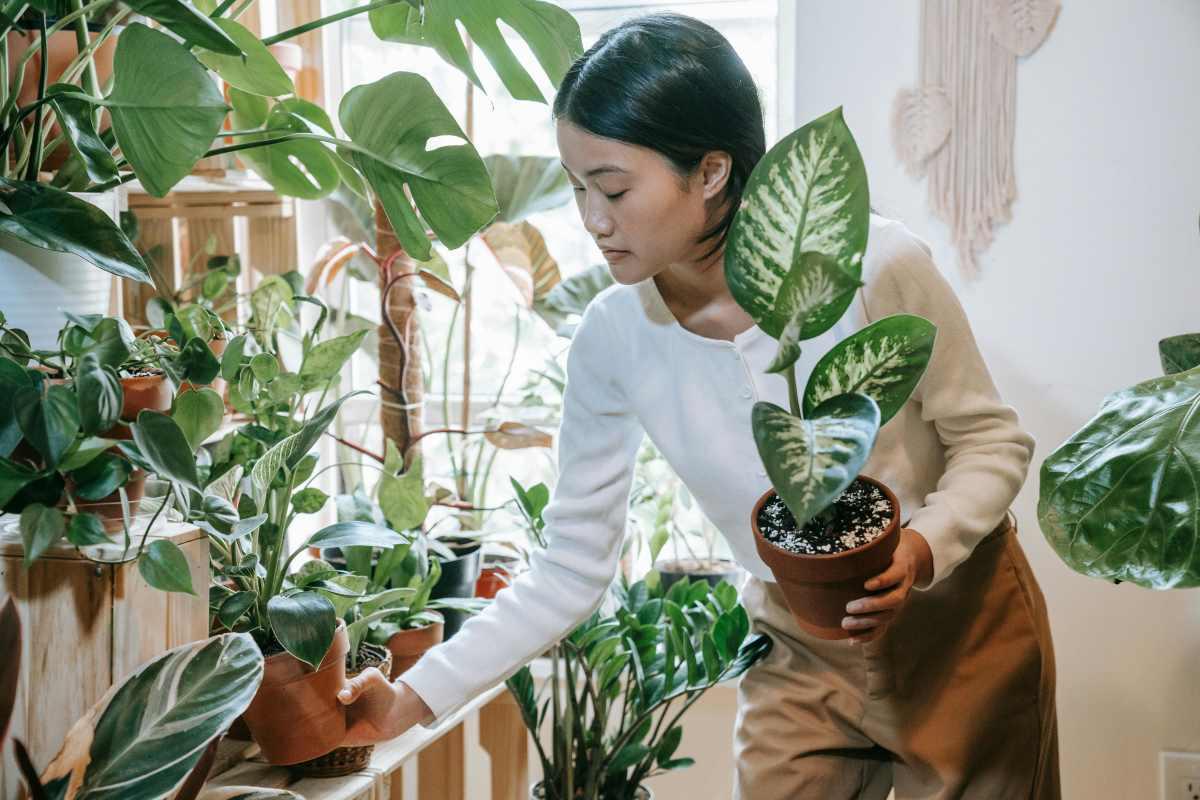
Women tending to her houseplants
For episodes when the plant has dried way too much and dust has accumulated on its leaves, the gardener should wipe the leaves “gently with a damp cloth” or give the plant “a light shower,” according to Harlock. Any leaves that show signs of dying or yellowing should be chopped away before they spread the spoilage to other leaves. If you notice that the soil is drying too quickly despite watering, it’s a sign that the plant needs to be shifted to a fresh plant pot. “If you notice roots growing out of drainage holes or the soil drying out extremely quickly, your plant might be root-bound,” said Harlock. Spring, she suggested, is the ideal time to shift the plants into their new home so they can establish themselves perfectly for the coming season.