
Experts Discover a 75-Million-Year-Old Fossil— Turns Out, It's a New Dinosaur Species
Published Dec. 5 2025, 8:07 a.m. ET

Parasaurolophus replicas are displayed in the Dinosaur Adventure and Learning Experience Park at Tunjungan Plaza
More than 66 million years ago, different types of dinosaurs roamed the planet, each with varying diets and appetites. One of these majestic dinosaurs dabbled in warm, brackish pools and coastal plains, ripping soft, aqueous plants with its tough “dental batteries,” as researchers describe in Science. And even though this species was not documented as well as other dinosaur species, when they vanished, the scattering of their bones marked trails of clues that constantly lead scientists to discover intriguing mysteries of the past. In a new study published in the Bulletin of the New Mexico Museum of Natural History and Science, biologists from Penn State University documented the discovery of a 75-million-year-old fossil that turned out to be the bone of a duck-billed dinosaur. They gave this 36-foot-long reptile a cool name: Ahshiselsaurus wimani.
Duck-billed dinosaurs, like Ahshiselsaurus wimani, belong to the “Hadrosaurid” category of dinosaurs, a word that roughly translates to “bulky lizard,” whose digital versions made guest appearances with the name of “Parasaurolophus” in the Jurassic World series. While exploring the state of New Mexico, D. Edward Malinzak, a biologist from Penn State Lehigh Valley, came across the prehistoric bone. Scientific and paleontological examination revealed that the skull bone belonged to a duck-billed dinosaur, according to the university press release.
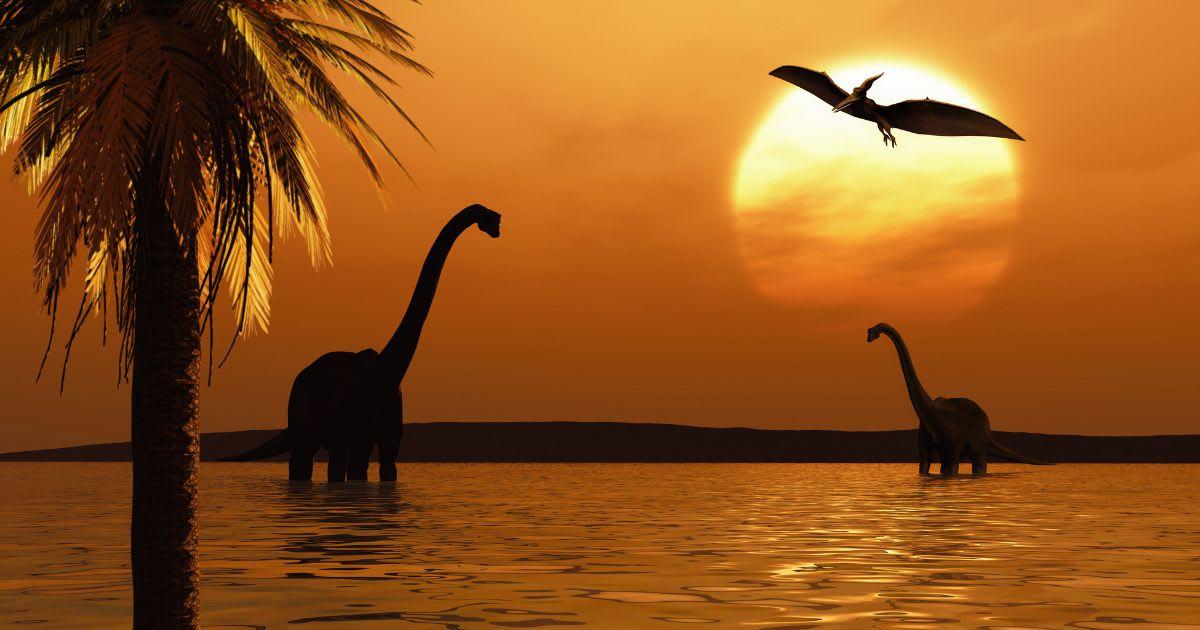
Silhouette of dinosaurs
What makes this discovery interesting is that the fossil contained skull bones along with vertebral ones. Anthony Fiorillo, study co-author and executive director of the New Mexico Museum of Natural History and Science, shared that skulls are “really the basis for identifying differences in animals” more than toe bones that might not be too different from each other.
To conduct the study, researchers carried out both the anatomical and morphological comparison of the specimens, comparing these bones to those belonging to hadrosaurid genera. Elaborating on this specie, lead author and paleontologist Sebastian Dalman, described, “Hadrosauridae, a family of large herbivorous dinosaurs, were among the most abundant dinosaurs of Late Cretaceous terrestrial ecosystems of the Western Interior Basin of North America for about 20 million years.” A holotype specimen, he explained, consists of an “incomplete diagnostic skull” or a “collection of fossil pieces used to officially categorize a new species.”
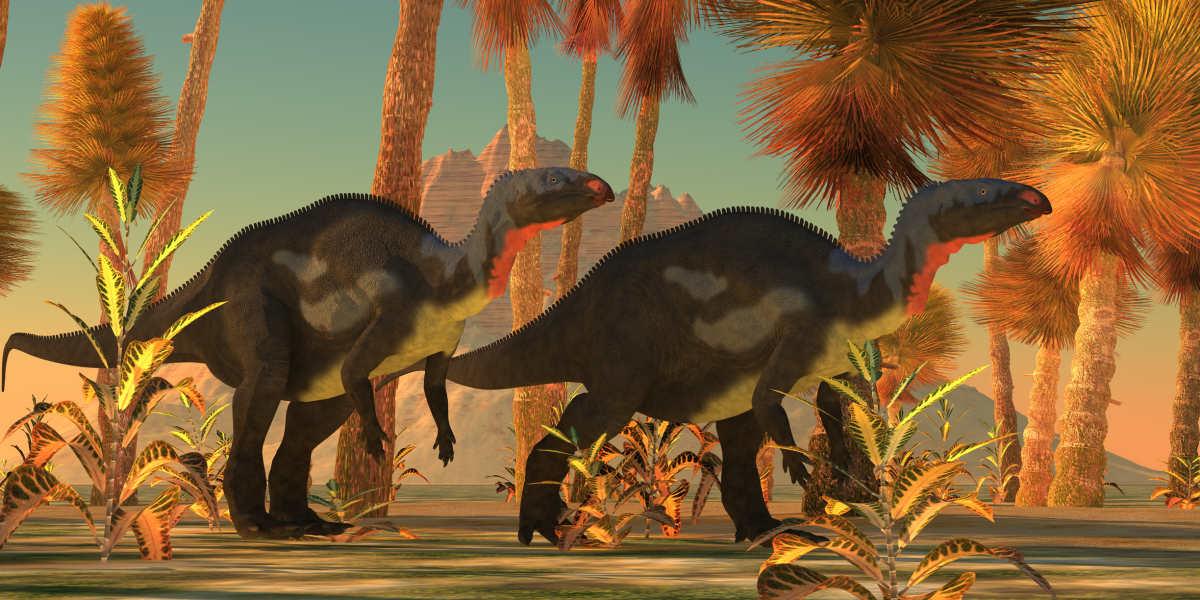
Dinosaurs roaming prehistoric forest wetlands
These prehistoric bones aren’t simply pieces of hardened calcium, but also clues that reveal details about aspects like dinosaur diversity and migration patterns that these old-timers followed while they wandered across North America and travelled to South America. Southwest, in particular, was a “stock” for some animals that migrated from the North, said Malinzak. The warm, humid, and tropical climate of the south posed favorable conditions for their survival as they fed, mated, and bred.
At the end of everything, this fossil is just a skeletal relic tossed out by the winds as keys for scientists to travel back in time and unlock the door of mysteries. But it’s just the beginning, as Spencer Lucas from the museum shared with Earth.com. “This new hadrosaur just adds to my conviction that there are many, many new dinosaurs still out there waiting to be unearthed!”