
A Mineral Seen on Mars Has Now Been Found Deep in Antarctica and Scientists Want to Know Why
Published March 10 2025, 11:47 a.m. ET

A researcher standing inside an ice cave with a lake inside it.
Human beings have reached uncharted parts of space and unexplored depths of the ocean, but there's still a lot around us that continues to surprise researchers. In November 2015, a high-resolution science camera aboard NASA’s Mars Reconnaissance Orbiter got the opportunity to snap some glimpses of parts where no human has ever set foot. Inside a pit depression in the “Labyrinth of Night,” the largest canyon of Mars, it found an abundant deposit of a tawny, yellow-toned mineral. Another instrument attached to the rover scooped out some samples of the mineral and brought them back to Earth. It puzzled scientists as one of the components of this mineral was “water.” If that wasn’t exciting enough, in 2021, some scientists found the same mineral a mile under Antarctica’s ice, but in smaller quantities.
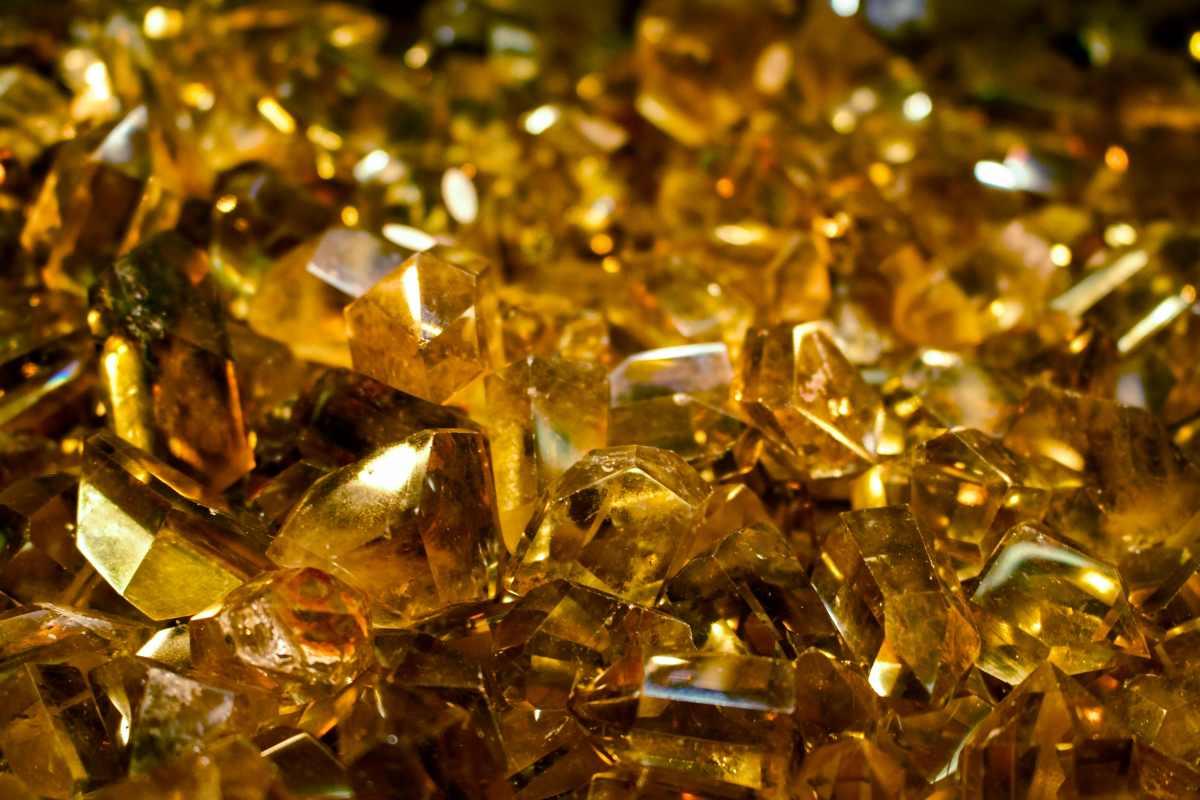
Shimmery yellow crystal
In a study published in Nature Communications, scientists hypothesized various theories to explain the presence of this rare mineral, called “jarosite,” under Antarctica’s ice. Understanding this could solve the mystery of how water seeped into the Martian soil and where it is hiding now.
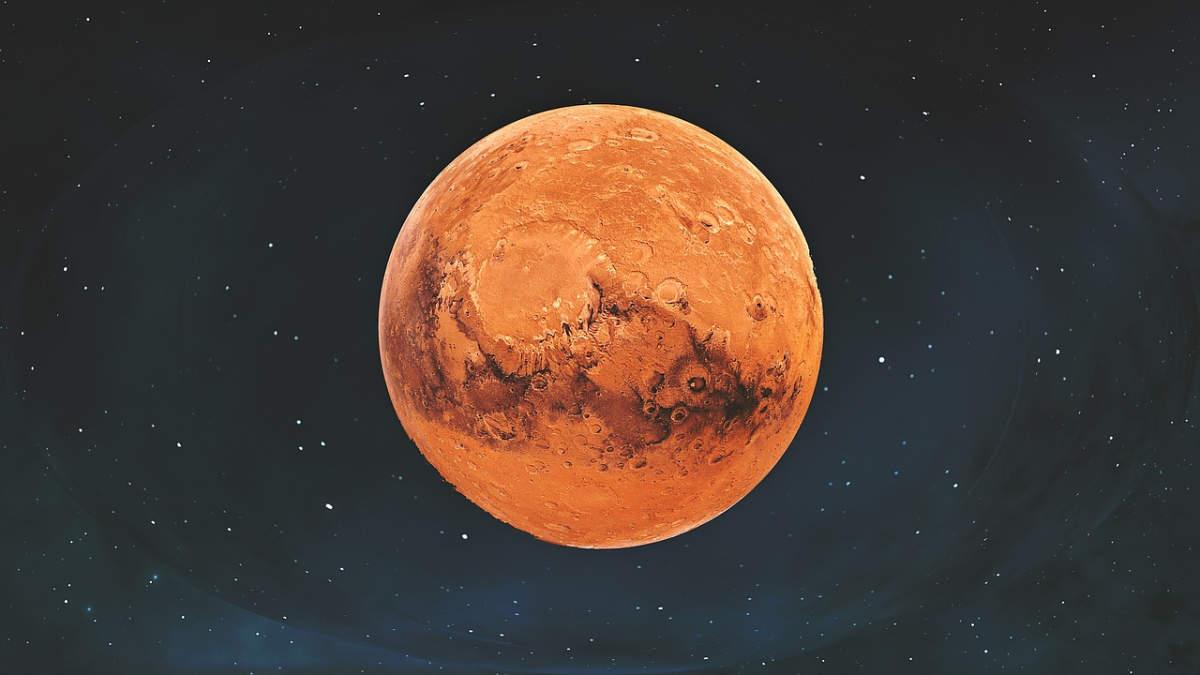
The Red Planet Mars in the dark starry space
Jarosite, which contains iron, potassium, and sulfate, was first discovered in 2004 by NASA’s Opportunity rover. The discovery of the mineral on the planet was surprising because there is currently no known presence of water on Mars, and it's rare even on Earth. NASA reports that jarosite is usually found in places with ore deposits and volcanic vents. Antarctica is the last place scientists could have thought of as a jarosite reserve.
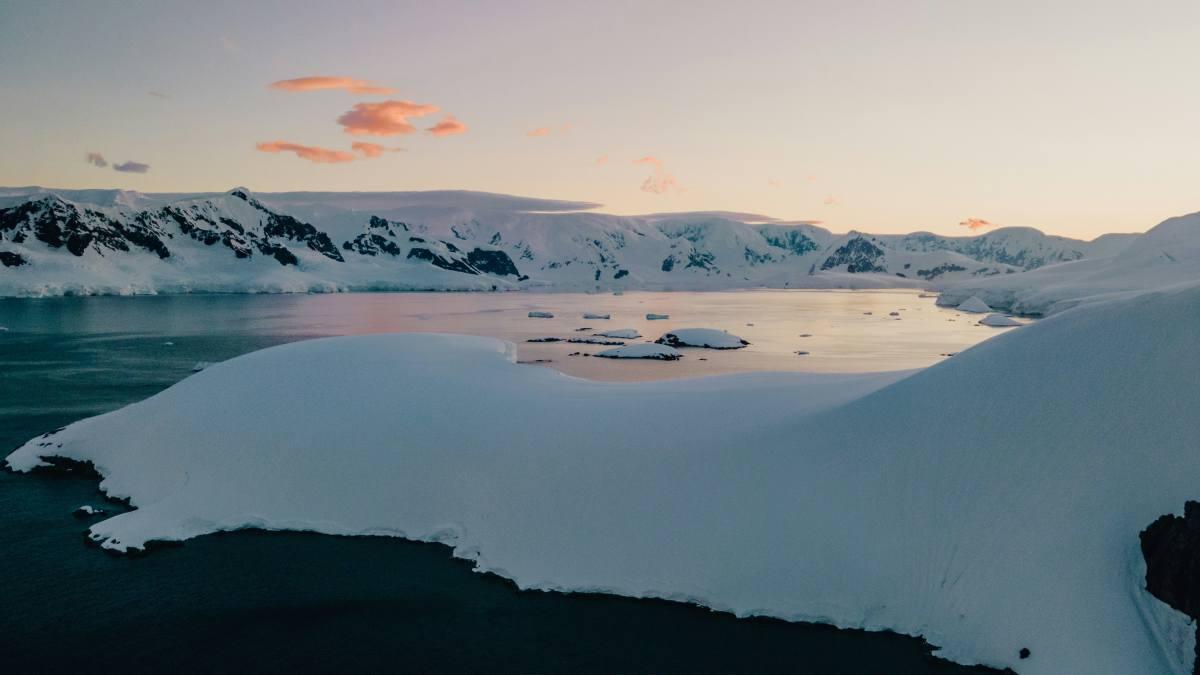
A plain of Antarctica blanketed with thick ice
“When I found jarosite in our ice samples from the depths of the Antarctic ice sheet, I admit that I was surprised. It was clear that on Earth, no one had linked jarosite with ice and glaciers. But the same was not true for Mars. The importance of the discovery of jarosite on Mars is related to the fact that to form jarosite, you need liquid water, so finding jarosite there meant that in the geologic past of the planet, a certain amount of liquid water was present,” Giovanni Baccolo told DeBrief.

Landmass of Mars coated with reddish Martian soil
The discovery prompted Baccolo and his team to propose different theories about jarosite and its formation. One theory hypothesized that billions of years ago, dust particles containing jarosite got trapped in the Antarctic ice. If this “interglacial weathering” theory turns out to be correct, it would explain how jarosite got locked in Antarctica’s ice sheet as well. But unlike Mars, there were only pockets of little granules that got trapped in the ice.

A scientist examines something under a microscope
This study was led by a team of researchers from the University of Milano-Bicocca in Italy as part of TALDICE. TALDICE, or the TALos Dome Ice CorE, is a European ice core research project whose main objective is to understand the ice age cycles from the ice core samples, similar to how geologists detect the age of a tree by its rings or date an ancient artifact using radiocarbon dating.
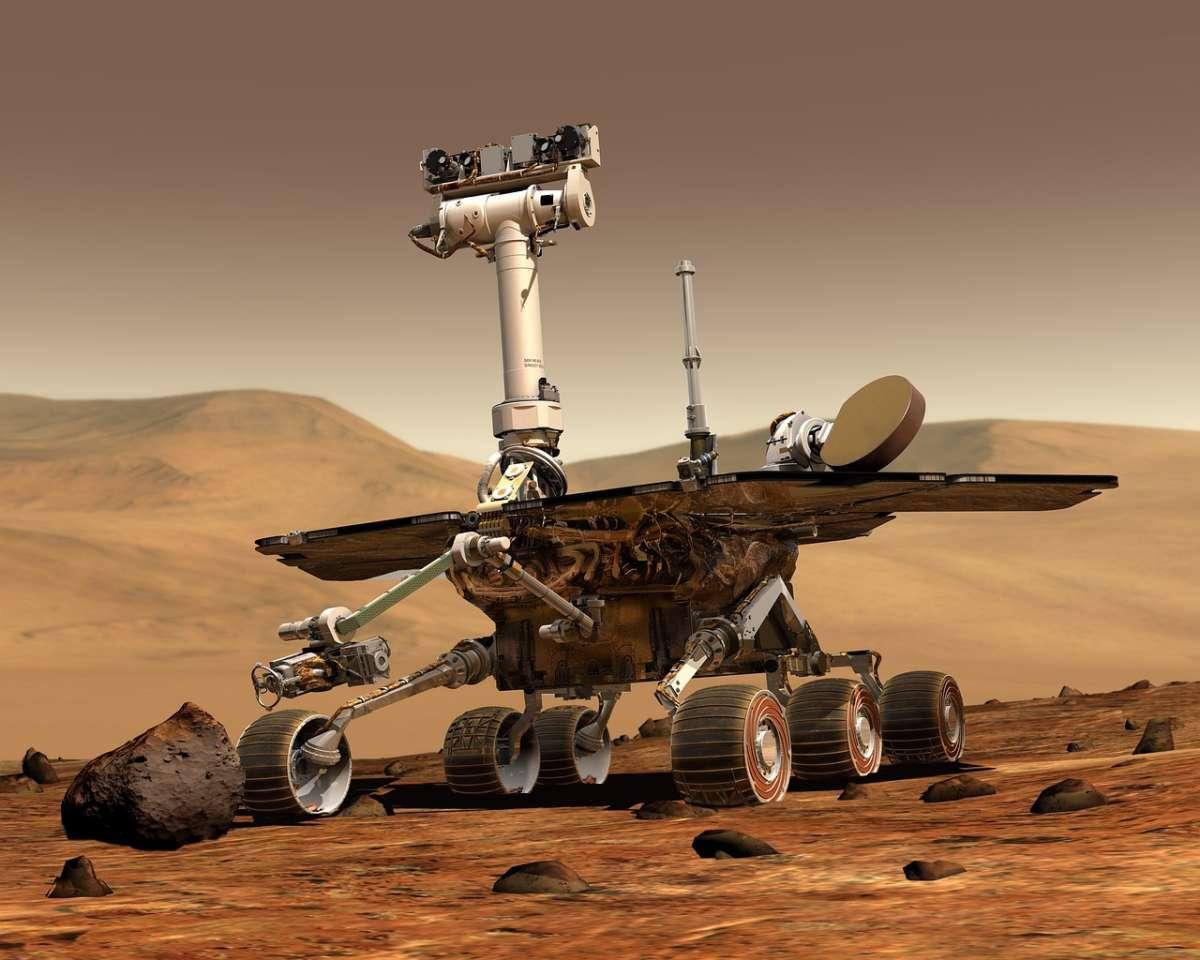
Spacecraft lands on Martian soil
The Perseverance rover “will look for traces of ancient living organisms, which could have been present on the planet when it was radically different from now," Baccolo told Debrief. “And of course if there is ice, there is also the probability that under particular conditions, liquid water is present. So if you find ice, you could also find traces of life. Never say never," he added.